Electrical Safety Training That Holds Up in the Field

  • NFPA 70E & 70B programs
  • Onsite nationwide or live virtual
  • Documentation that holds up in audit
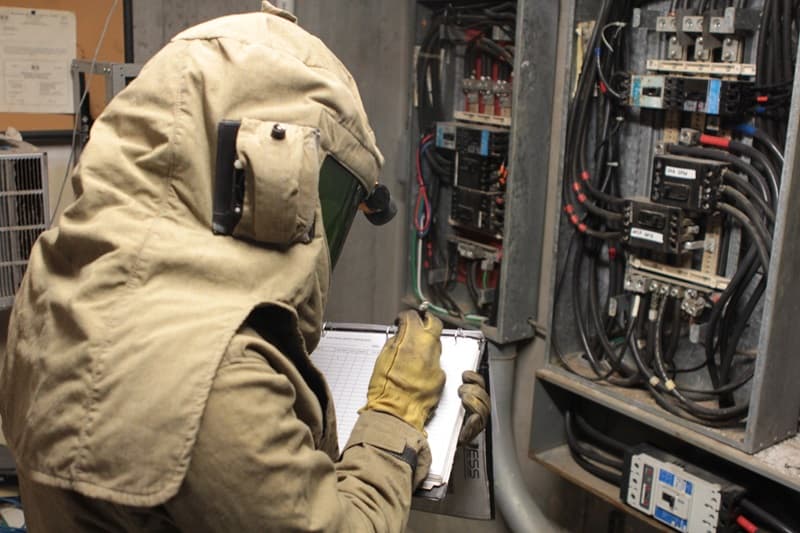
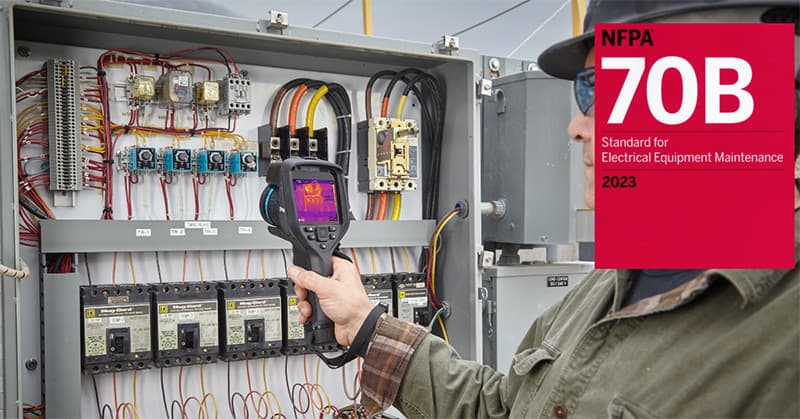
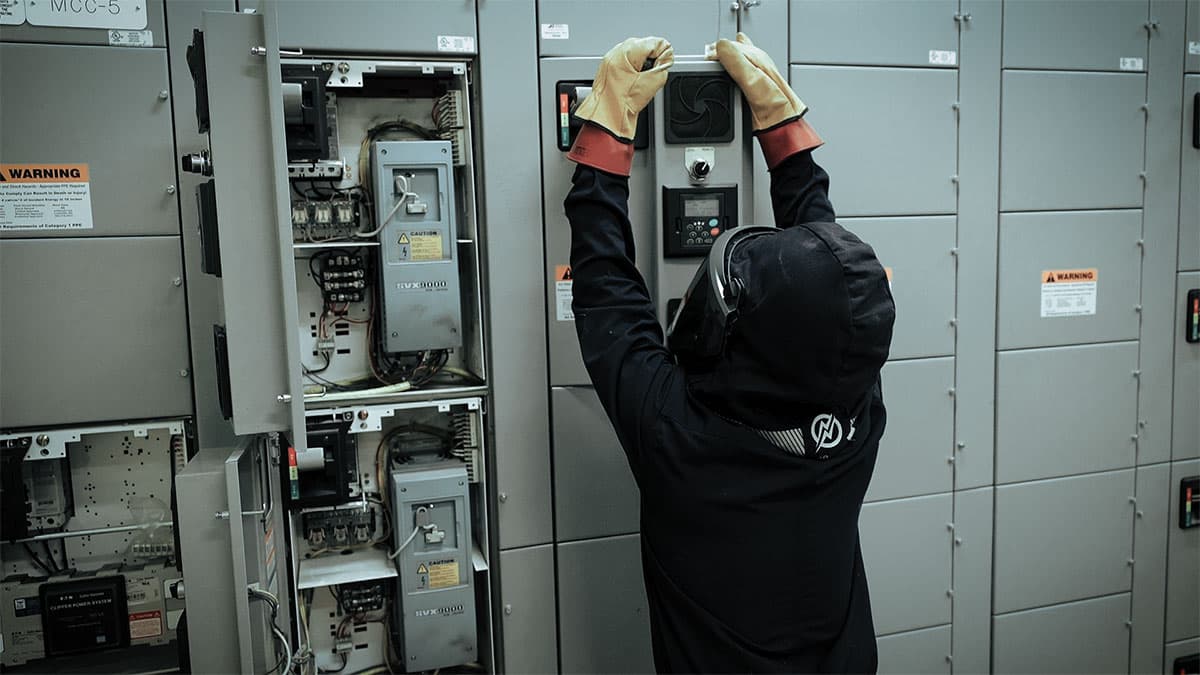
Electrical safety training with arc-rated PPE at industrial switchgear
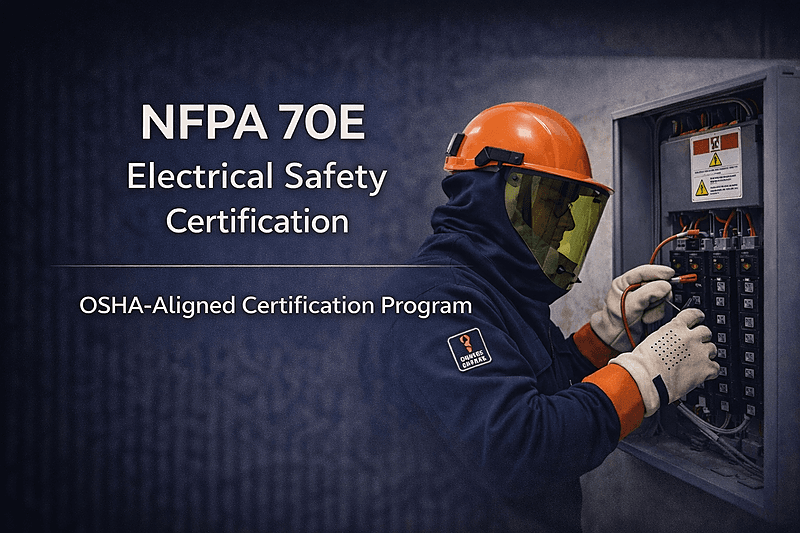
NFPA 70E training with arc-rated PPE

NFPA 70E

Safe Work Practices

Arc Flash & Electrical Safety Training

For qualified electrical workers, maintenance teams, and awareness sessions.

This covers:

  • Shock and arc flash risk assessment
  • PPE selection, inspection, and limitations
  • LOTO and electrically safe work conditions
  • Energized work permits and job briefings
  • Label and boundary interpretation

Program formats

2 hours

2-Hour Awareness

Managers, supervisors, production, and non-electrical personnel

Orientation on arc flash and shock hazards, approach boundaries, label basics, and what unqualified workers must never do near energized equipment.

  • Arc flash & shock hazard recognition
  • Label and boundary awareness
  • When to stop work and call qualified help
4 hours

4-Hour Qualified Refresher

Qualified electrical workers and maintenance teams

Refresher aligned to NFPA 70E Article 110: risk assessment, PPE selection, LOTO/ESWC workflow, energized work permits, and recent code updates.

  • Shock & arc flash risk assessment
  • PPE selection and inspection basics
  • LOTO and electrically safe work conditions
8 hours

8-Hour Qualified Deep Dive

Electricians, reliability leaders, EHS, and engineering staff

Full-day NFPA 70E class with scenario-based decisions on real equipment tasks—built to support qualification documentation, not checkbox attendance.

  • Job briefings and energized work permits
  • Absence-of-voltage and test instrument use
  • Host/contractor coordination on multi-employer sites

Not sure which length fits? Tell us your roles and team size and we will recommend a schedule.

NFPA 70B

Equipment Maintenance

Electrical Maintenance Standard Overview

For plant managers, maintenance planners, and engineers.

This covers:

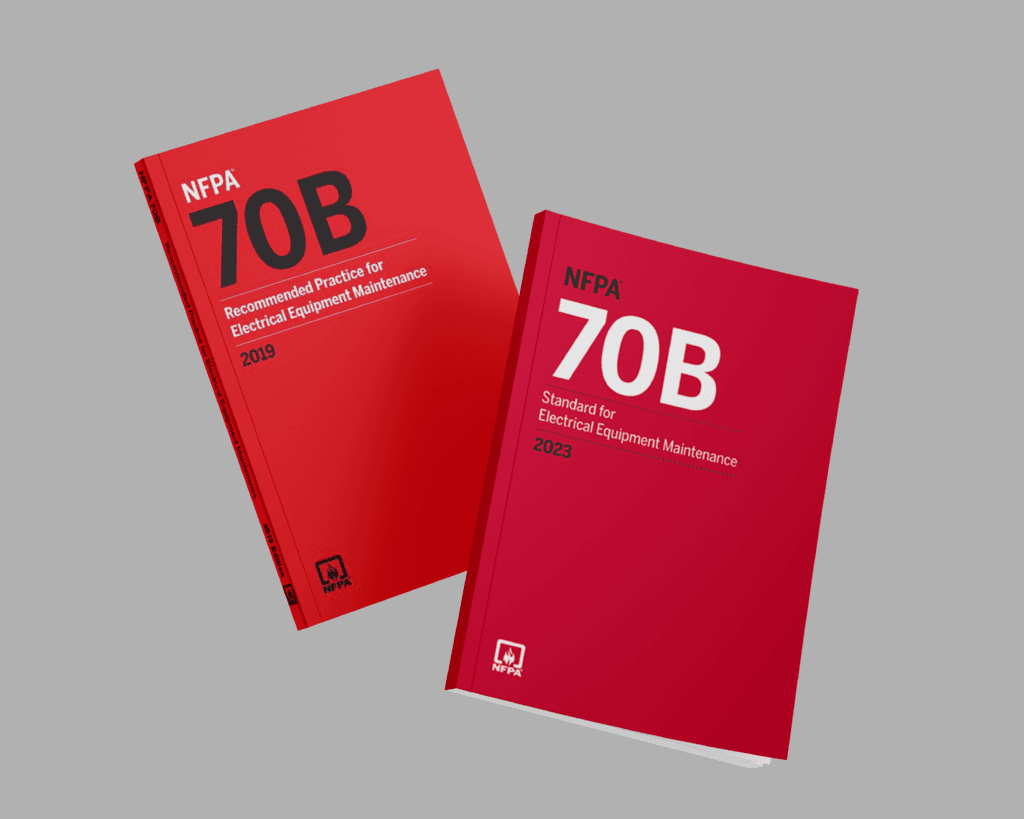
  • Recommended practice vs mandatory standard (2023)
  • Electrical Maintenance Program (EMP) components
  • Required inspection and maintenance activities
  • How 70B integrates with NFPA 70E safe work practices
  • Optional onsite EMP walk-through (+2 hours)
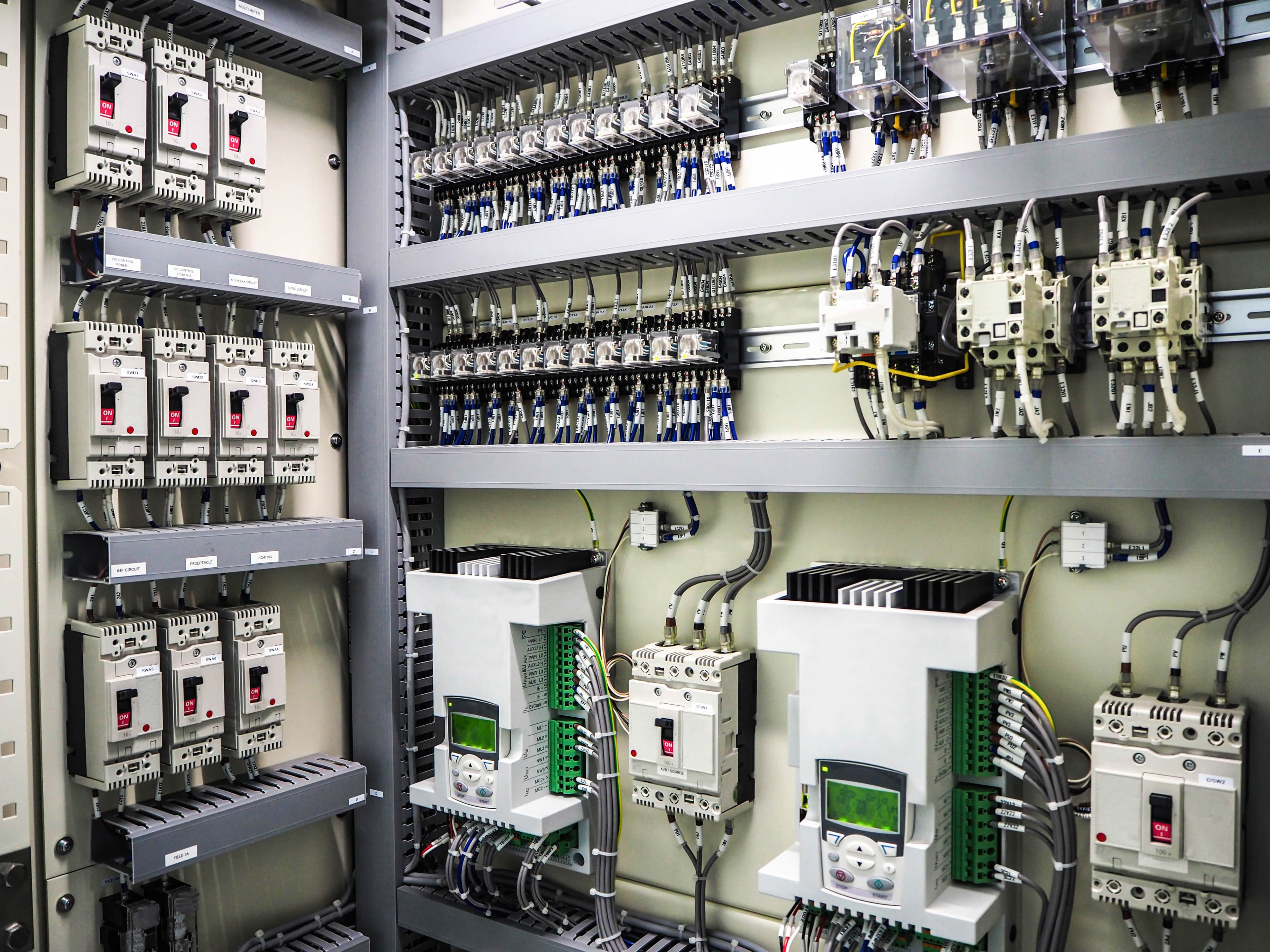
Switchgear maintenance planning

70B program options

2 hoursLecture & discussion

NFPA 70B Standard Overview

Plant managers, operations leaders, facility owners & engineers

How the 2023 edition moved from recommended practice to a mandatory standard—and what that means for your EMP, compliance, and NFPA 70E integration.

  • Practice vs standard—and how 70B ties to 70E
  • Required maintenance activities that changed
  • Gaps and opportunities in your EMP

Topics covered

70B-2023 scopeEMP componentsPM planningDocumentationSite impacts
+2 hoursOnsite add-on

EMP Walk-Through

Teams who completed the 70B overview

Facility-specific review of your EMP, equipment list, and procedures—with a guided walk-through and prioritized debrief.

  • Review ESWP and EMP documentation
  • Walk installations with a maintenance lens
  • Prioritize EMP improvements on-site

Topics covered

ESWP & one-linesInstallation reviewPM schedulesRecordsNext steps

Who Needs Training

Qualified vs Unqualified—And Who Else Should Attend

NFPA 70E, NFPA 70B, and OSHA expect different training depth based on exposure and tasks. We help you match the right session to each role.

Qualified persons

Workers who construct, operate, or maintain electrical equipment and must identify hazards, select PPE, and follow energized work rules. Training must include demonstrated skills—not classroom time alone.

Unqualified persons

Anyone who may be near exposed energized parts (often 50 V and above) but does not perform electrical work. They need hazard recognition, boundaries, and clear limits on what they may touch or approach.

Supervisors & EHS

Leaders who authorize work, audit programs, or coordinate contractors. They need enough NFPA 70E literacy to enforce job briefings, permits, and electrically safe work conditions.

Who should attend NFPA 70B overview

  • Plant & operations managers
  • Facility owners & leadership
  • Electrical engineers
  • Maintenance planners & supervisors
  • EHS professionals building EMP compliance

Learning Outcomes

What Your Team Will Be Able To Do

  • Perform shock and arc flash risk assessment with confidence
  • Interpret arc flash labels, boundaries, and PPE requirements correctly
  • Apply LOTO and establish an electrically safe work condition (ESWC)
  • Use energized work permits and job briefings when justified energized work is required
  • Align field behavior with OSHA expectations and NFPA 70E

Core Topics Covered

  • NFPA 70E framework and OSHA 1910 electrical safety relationship
  • Arc flash and shock hazards, severity, and prevention
  • Limited, restricted, and arc flash approach boundaries
  • Energized electrical work permits and job safety briefings
  • Arc-rated PPE selection, inspection, care, and limitations
  • Incident energy, arc flash boundaries, and label interpretation
  • LOTO and verifying absence of voltage safely
  • Host employer and contractor responsibilities on shared sites

Industries

Industries We Train

Manufacturing, energy, utilities, and critical facilities across Texas and nationwide.

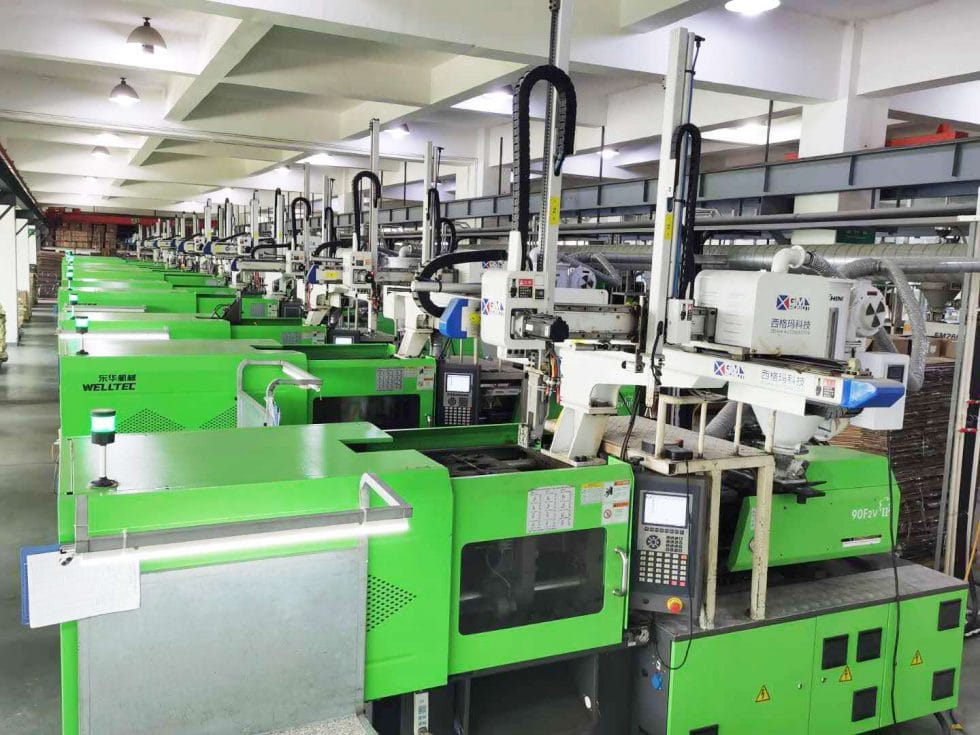
Injection molding and manufacturing plant electrical training

Manufacturing & process plants

Oil, gas, and energy facility electrical safety training

Oil, gas, and energy facilities

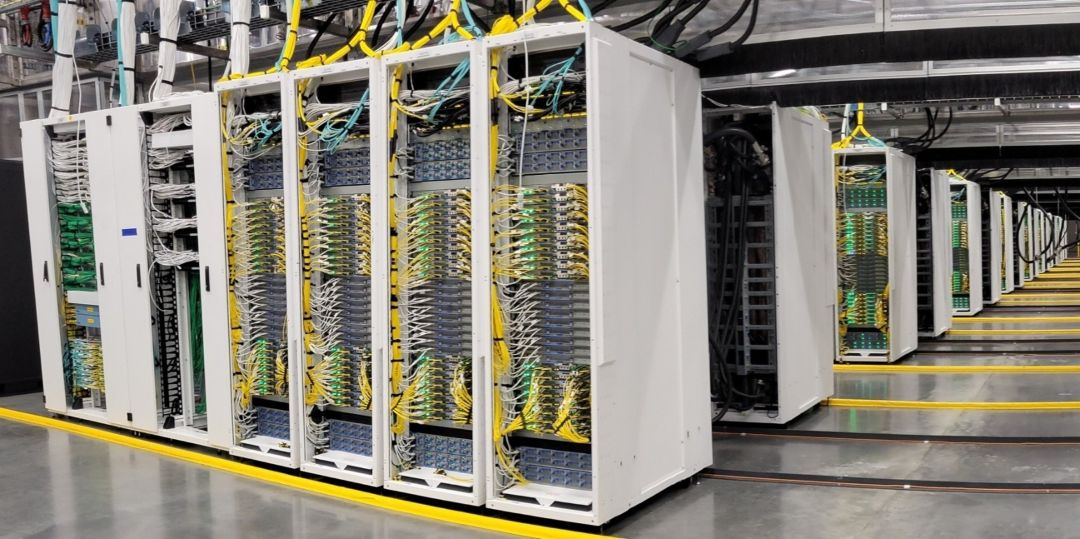
Commercial, industrial, and data center electrical training

Commercial, industrial & data centers

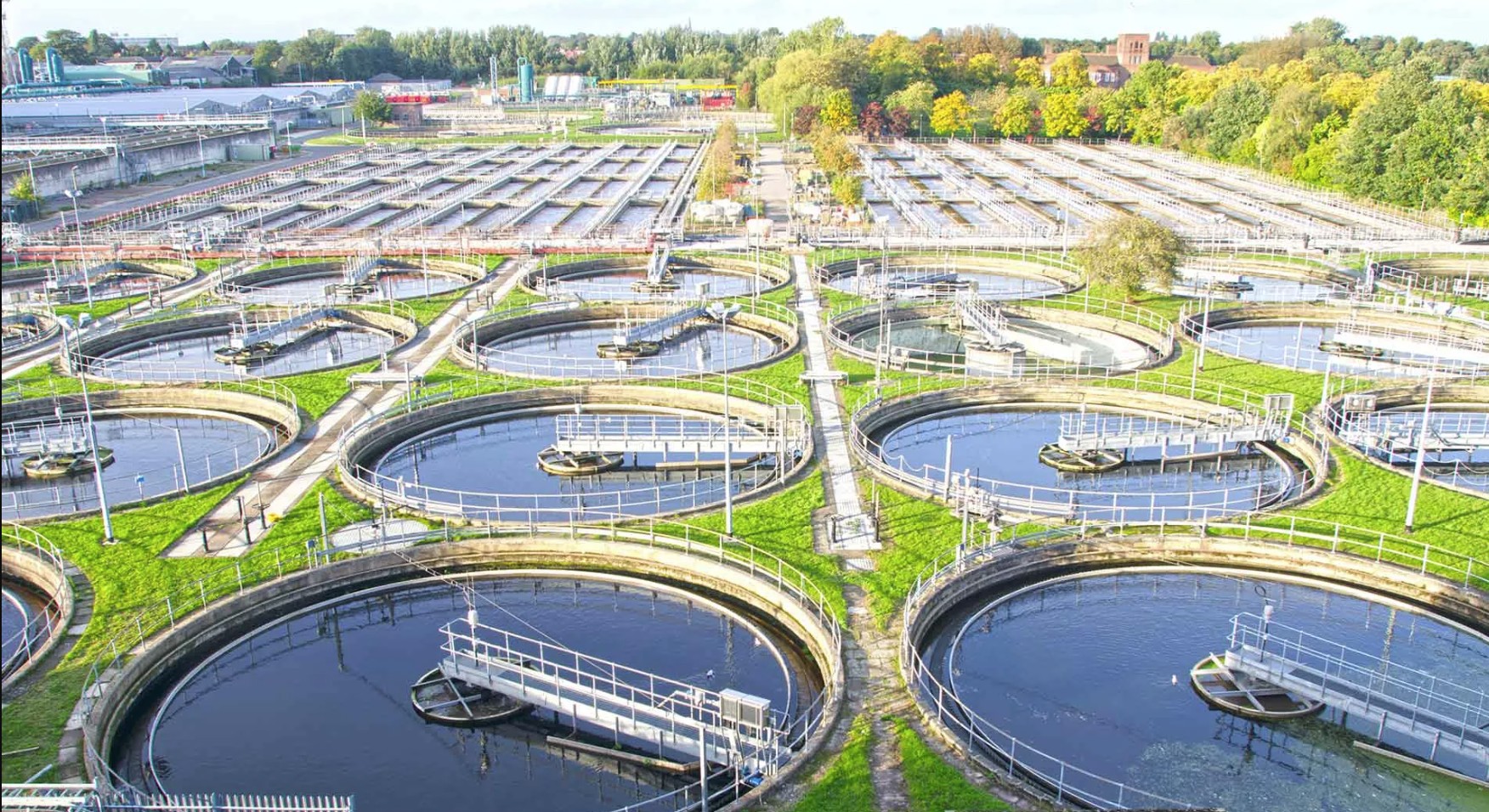
Water, wastewater, and utility electrical training

Water, wastewater & utilities

What You Receive

Documentation & Deliverables

Training is part of your electrical safety program—not a one-off event. We leave you with materials you can defend in an audit.

  • Training outline aligned to NFPA 70E and/or NFPA 70B scope
  • Attendance records suitable for OSHA and electrical safety program files
  • Discussion using your labels, one-lines, EMP docs, and procedures when provided
  • Clear guidance on qualified vs unqualified roles and retraining triggers
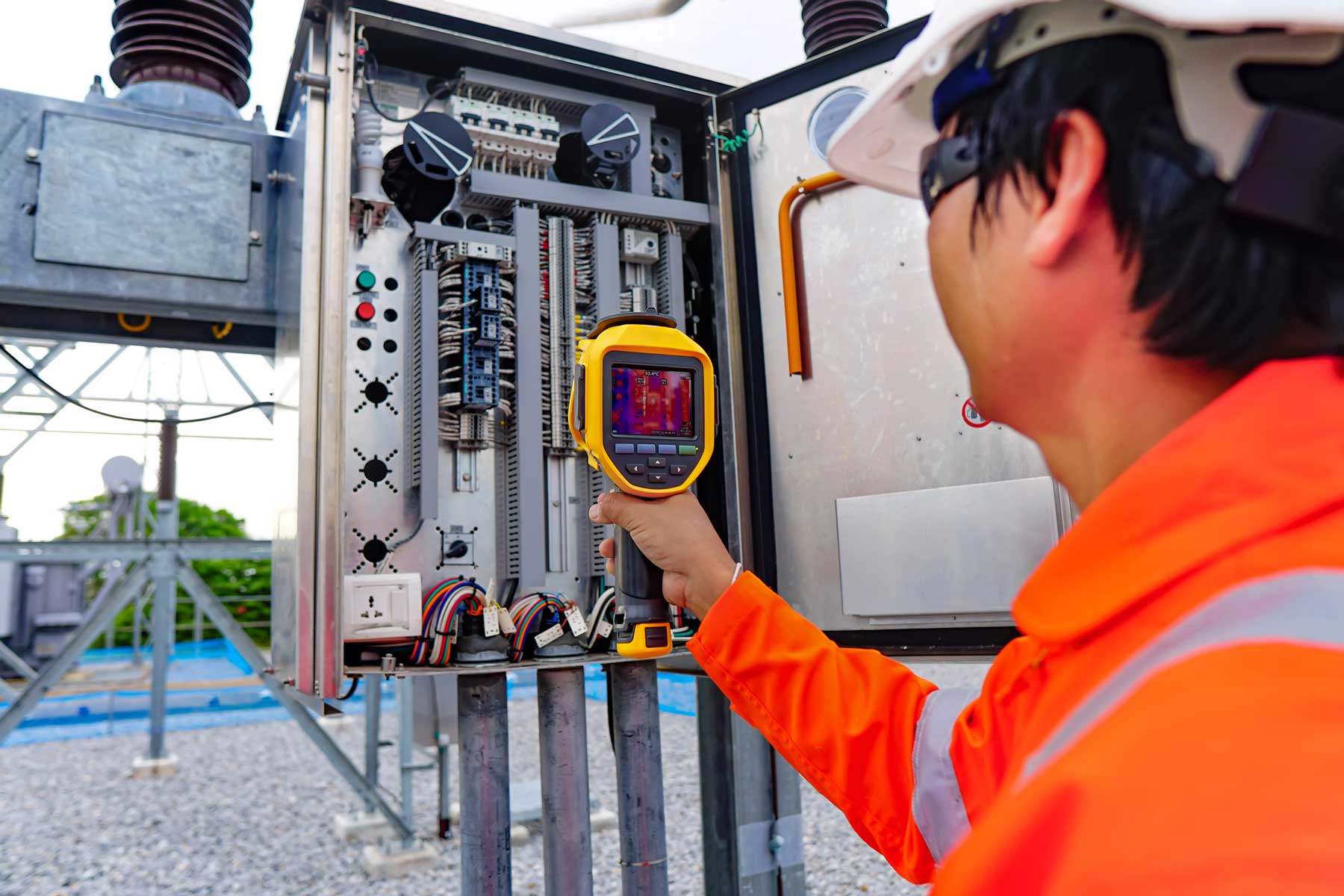
  • Optional pairing with arc flash studies, labeling, and infrared thermography

Why Plazmaa

Training From People Who Know Your Equipment

Site-specific, not generic

We use your equipment context—labels, one-lines, and procedures—so workers practice decisions on gear they actually see in the field.

Engineering + training together

Plazmaa also performs arc flash studies. Training and analysis stay aligned so PPE, boundaries, and classroom content match your facility.

Live instruction

Onsite at your plant or live virtual (Teams, Zoom, Webex)—interactive Q&A and scenarios, not pre-recorded slide decks.

Austin-based, nationwide delivery

Headquartered in Austin, TX with onsite programs across Texas and virtual delivery for distributed teams.

Nationwide Coverage

States We Train At

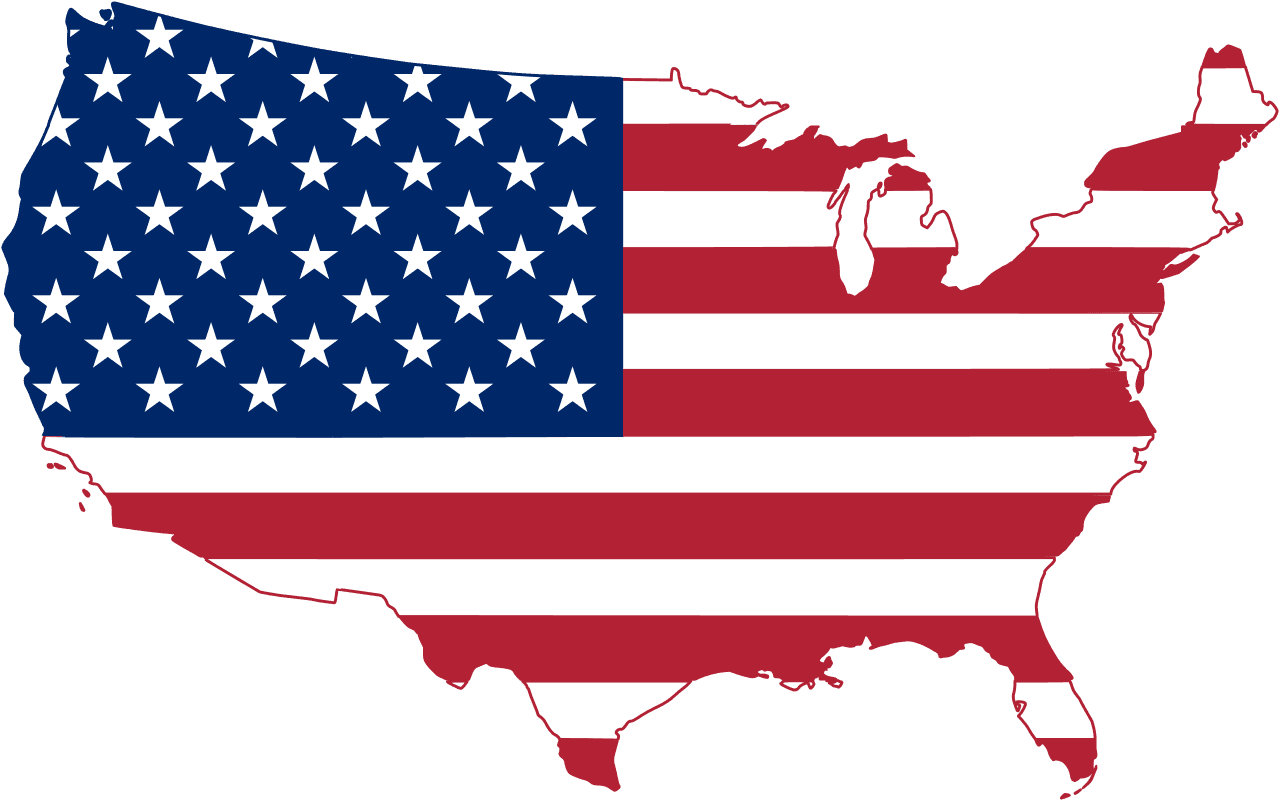
United States map with American flag pattern

All fifty US states in alphabetical order. Texas is Plazmaa's home base.

AlabamaALAlaskaAKArizonaAZArkansasARCaliforniaCAColoradoCOConnecticutCTDelawareDEFloridaFLGeorgiaGAHawaiiHIIdahoIDIllinoisILIndianaINIowaIAKansasKSKentuckyKYLouisianaLAMaineMEMarylandMDMassachusettsMAMichiganMIMinnesotaMNMississippiMSMissouriMOMontanaMTNebraskaNENevadaNVNew HampshireNHNew JerseyNJNew MexicoNMNew YorkNYNorth CarolinaNCNorth DakotaNDOhioOHOklahomaOKOregonORPennsylvaniaPARhode IslandRISouth CarolinaSCSouth DakotaSDTennesseeTNTexasTXUtahUTVermontVTVirginiaVAWashingtonWAWest VirginiaWVWisconsinWIWyomingWY

A → Z·Onsite nationwide·Virtual anywhere

Client Feedback

What Teams Say After Training

The instructor made complicated requirements practical for our technicians. We changed field behavior within the same week.

Clayton Reeves

Maintenance Manager, Kreate

Direct, site-relevant, and our supervisors finally have a consistent process for briefings and energized work decisions.

Tyler Crow

EHS Leader, Kooltronics

Clear explanation of PPE, boundaries, and when a permit is required. The team stayed engaged for the full day.

Marlene Whitaker

Operations Director, Dragonfly Batteries

FAQ

What is the difference between NFPA 70E and NFPA 70B training?+

NFPA 70E covers safe electrical work practices—arc flash and shock protection, PPE, LOTO, and energized work rules for people who work on or near equipment. NFPA 70B covers electrical equipment maintenance—the Electrical Maintenance Program (EMP), inspection intervals, testing, and records. Both support OSHA compliance; 70E even references that equipment must be properly maintained per 70B or manufacturer instructions before work is safe.

Why did NFPA 70B change from a recommended practice to a standard?+

The 2023 edition uses mandatory language (shall) for EMP requirements. Facilities need documented maintenance plans, procedures, inspection schedules, and records. Our 70B overview helps leadership understand what changed and how to close gaps.

Do you provide onsite training at our facility?+

Yes. Onsite delivery supports label review, equipment walk-throughs, and 70B EMP reviews tied to your switchgear, MCCs, and procedures. We serve Austin, greater Texas, and all 50 states.

Can training be delivered virtually?+

Yes. Live instructor-led virtual sessions on Teams, Zoom, or Webex—with document review when you share one-lines, labels, or EMP materials in advance.

How often should employees retrain?+

NFPA 70E expects retraining at least every three years, and sooner when assignments, equipment, or procedures change. NFPA 70B expects ongoing EMP coordination, training, and periodic program evaluation.

Does classroom training alone make someone a qualified person?+

No. Qualification requires demonstrated skills for specific tasks and equipment. Our 4- and 8-hour NFPA 70E programs emphasize field-ready decision-making that supports your qualification records.

Can we combine 70E, 70B, and arc flash services?+

Yes. Many facilities bundle qualified worker training, 70B management overview, arc flash study/labeling, and infrared thermography so training, labels, and maintenance stay aligned.

What should we send to get a quote?+

Team size, roles, preferred format (onsite/virtual), location, and whether you need 70E, 70B, or both. Share existing labels, studies, or EMP documents if you want site-specific content.
Ready To Book 70E or 70B Training?

Send team size, location, and whether you need NFPA 70E worker training, NFPA 70B management overview, or a bundled safety program. We will return a training plan and proposal quickly.