Plazmaa Blog
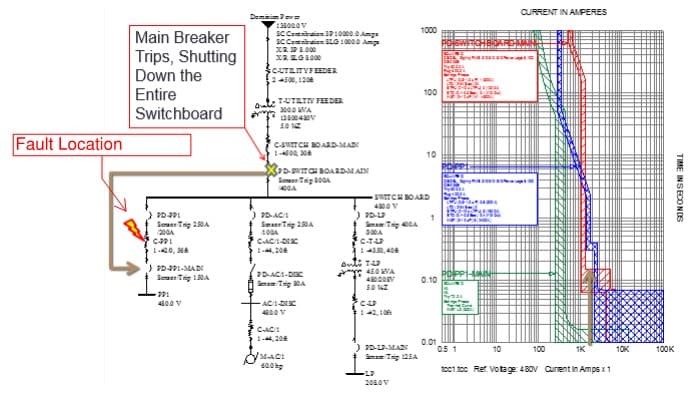
What Factors Affect Arc Flash Study Cost?
Facility size, equipment count, drawing quality, and site access all shape arc flash study pricing. Here is what to expect before you request a quote.
Read more →
7 Steps to Complete an Arc Flash Study
A practical walkthrough of the arc flash study process—from one-lines and field verification through short-circuit, coordination, labels, and NFPA 70E training.
Read more →
NFPA 70E Electrical Safety Program: What to Include
A practical checklist for building an NFPA 70E–aligned electrical safety program: policy, assessments, training, PPE, and documentation that holds up to audits.
Read more →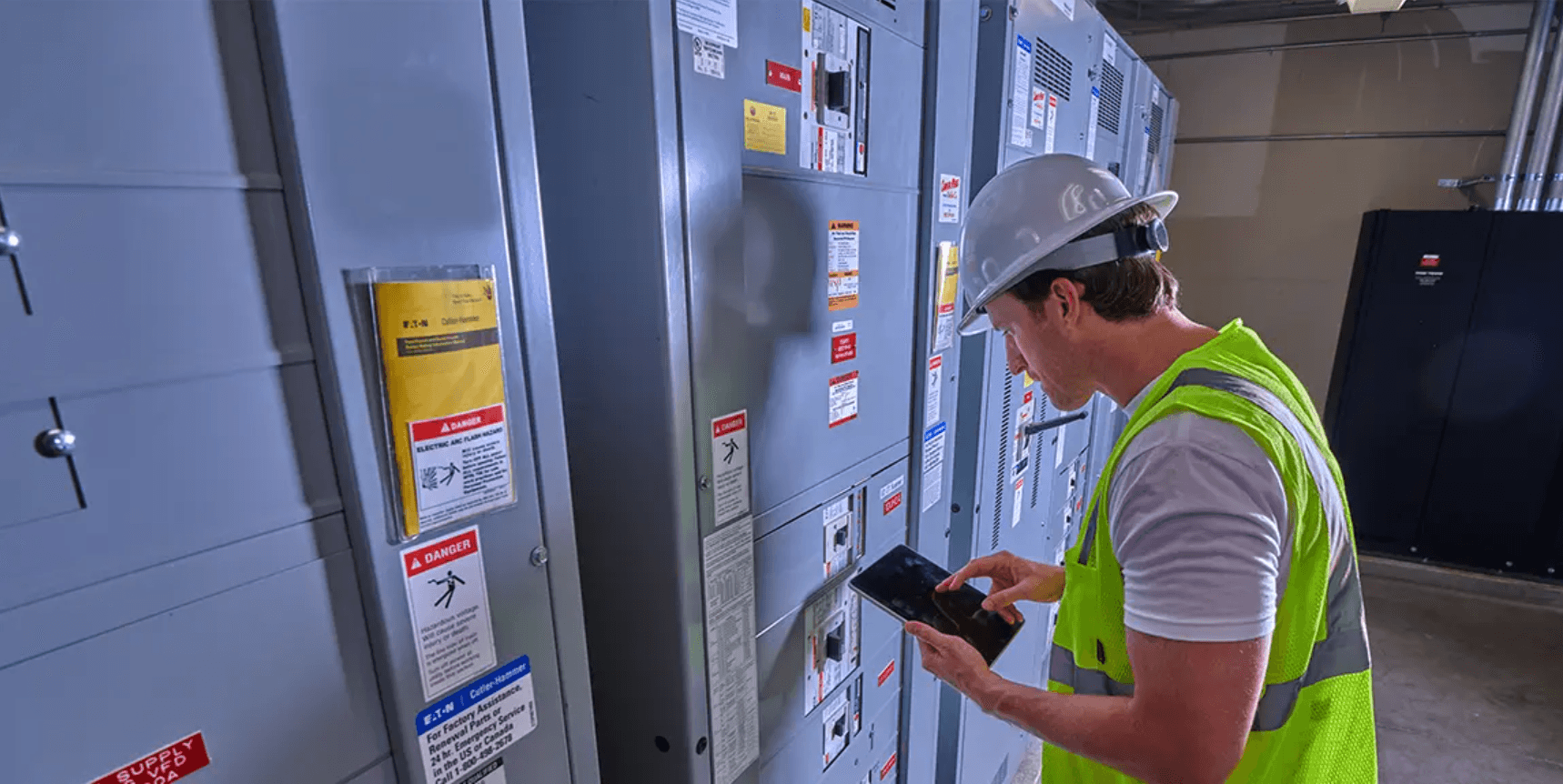
Qualified vs Unqualified Worker: What NFPA 70E Means
How NFPA 70E defines qualified and unqualified persons, what training typically covers, and why the distinction matters for task assignment and liability.
Read more →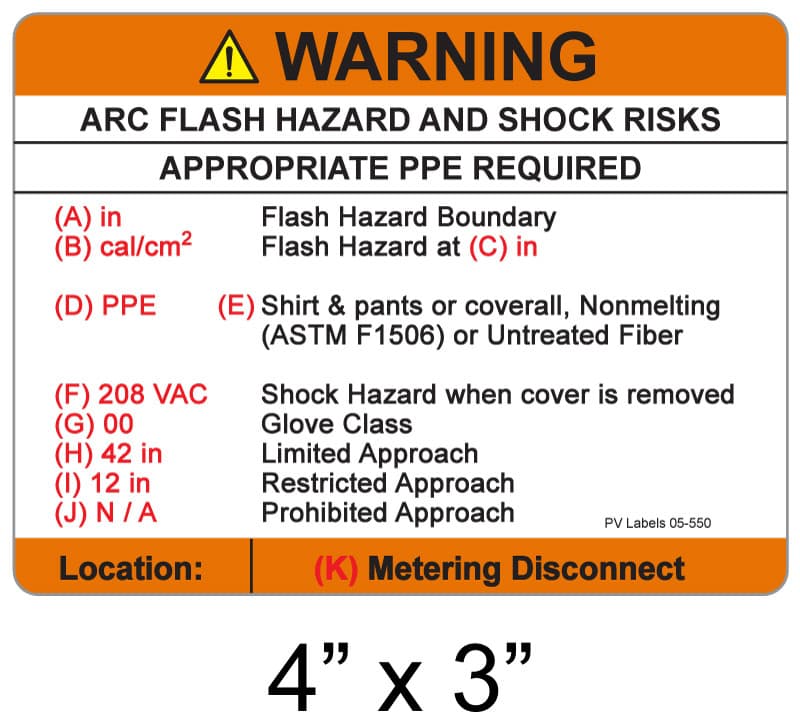
Arc Flash Boundary vs Limited and Restricted Approach
Clear definitions for arc flash boundary, limited approach, and restricted approach—how they differ from shock boundaries and how to use them on the job.
Read more →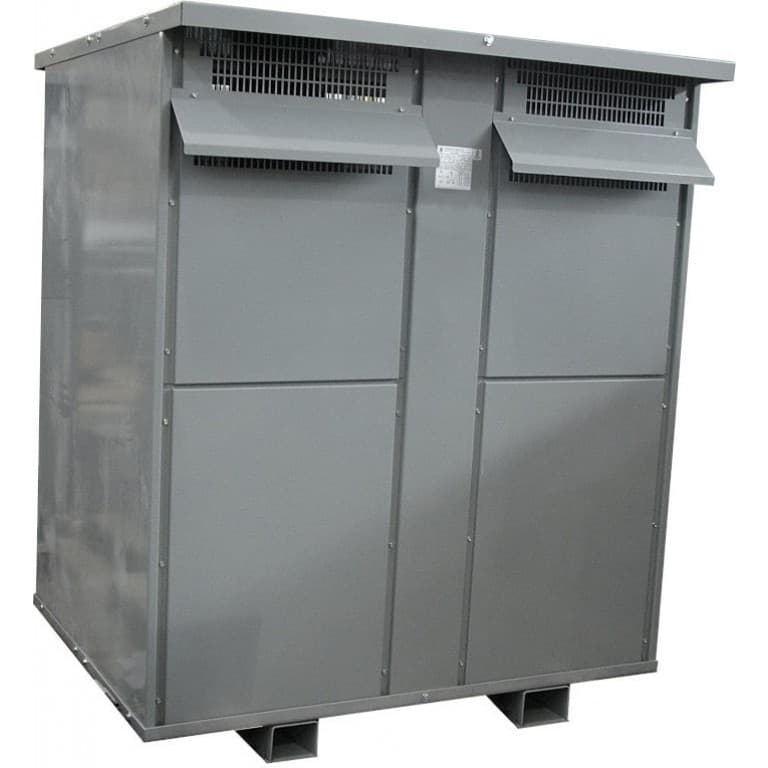
Incident Energy (cal/cm²): What It Means on the Label
Incident energy explains arc flash severity. Learn how cal/cm² relates to PPE, what assumptions hide behind the number, and when to treat a label as stale.
Read more →
Arc Flash PPE Selection: Beyond the Category Table
How to align arc-rated clothing and face protection with incident energy, site policy, and comfort—without guessing when labels show PPE categories or cal/cm².
Read more →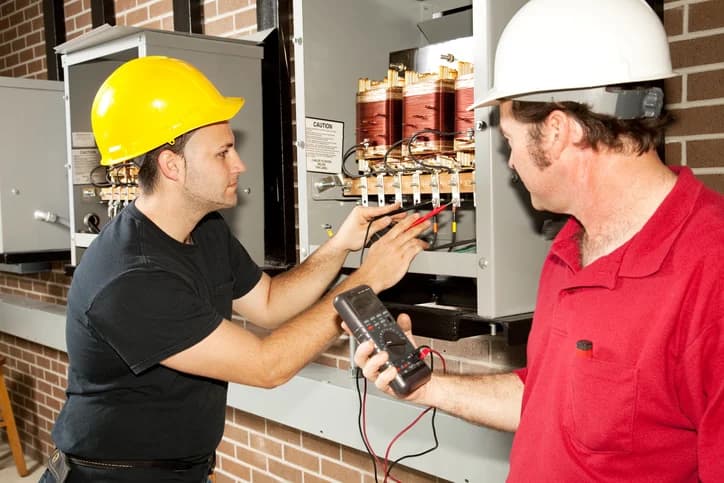
Electrical LOTO for Multi-Shift Industrial Sites
Practical lockout/tagout patterns for electrical maintenance across shifts: group lockout, continuity tests, transient energy, and communication that prevents surprises.
Read more →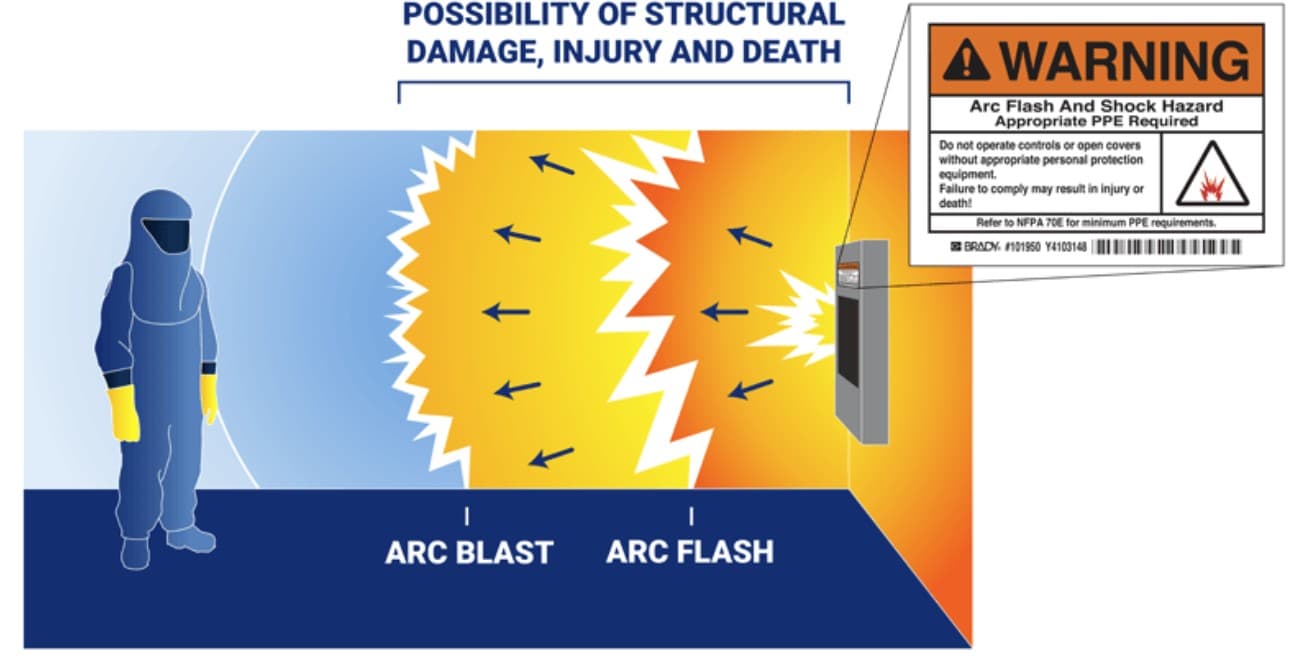
Energized Work Permits: When They’re Required and What to Document
What goes into a defensible energized electrical work permit under NFPA 70E, when energized work should be refused, and how permits support accountability.
Read more →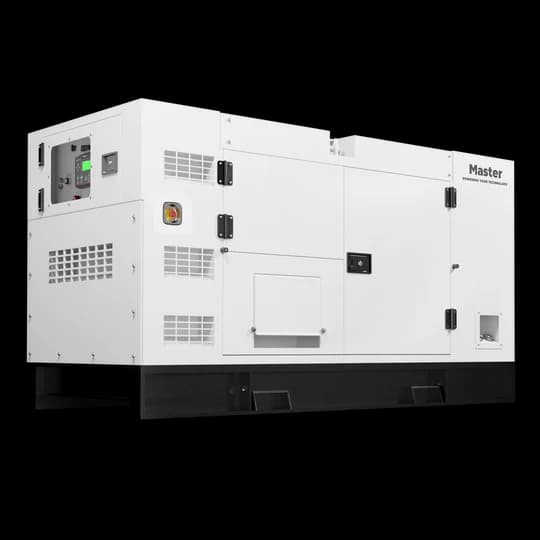
OSHA Electrical Safety: What Facility Managers Should Know
A plain-language map of OSHA electrical rules (Subpart S) and how they connect to NFPA 70E, maintenance, and contractor management in industrial plants.
Read more →
Ground Fault Protection in Industrial Power Systems
How ground-fault sensing protects people and equipment, common misapplications, and what to verify after changes to neutrals, grounding, or breaker settings.
Read more →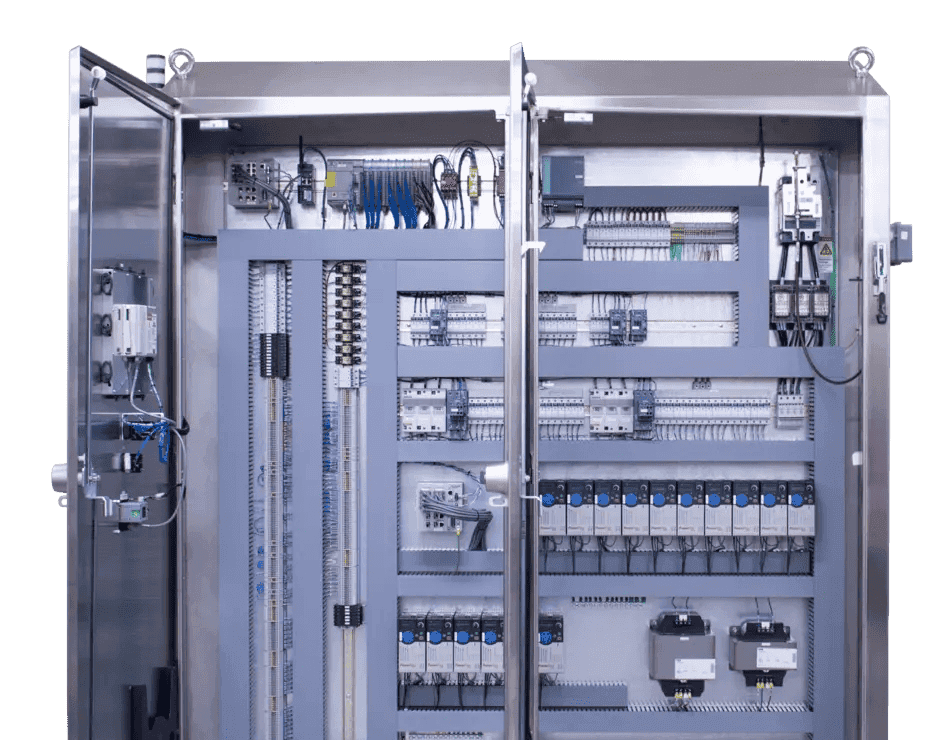
Motor Control Center Maintenance That Reduces Downtime
A sensible MCC maintenance approach: inspections, thermal scanning, torque checks, and documentation that prevents failures during peak production.
Read more →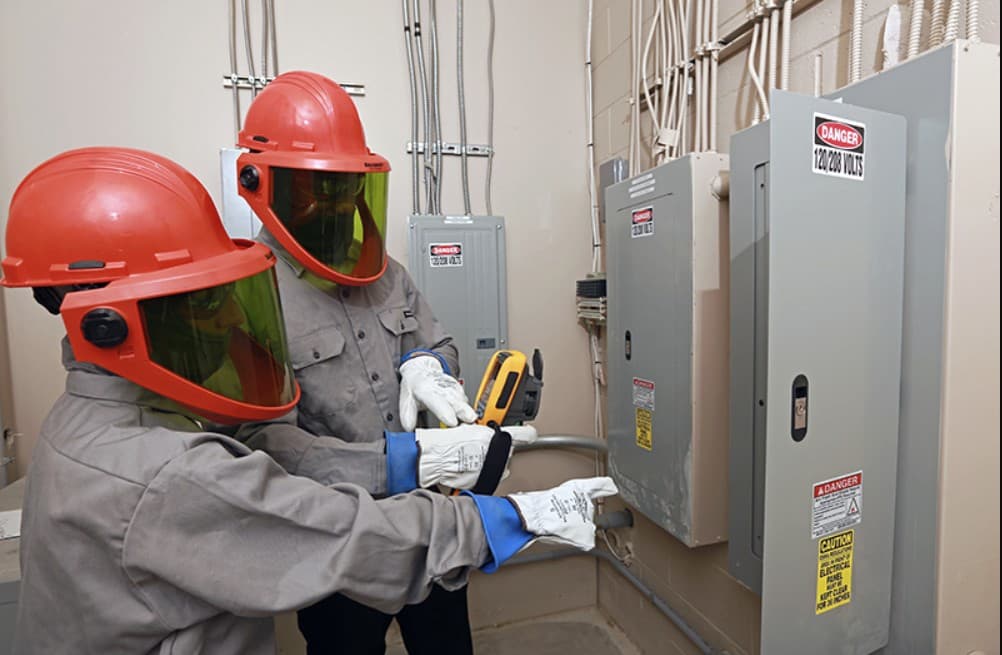
VFD Harmonics Mitigation for Plant Engineers
Why VFDs create harmonic current, how harmonics stress transformers and capacitors, and practical mitigation options from line reactors to active filters.
Read more →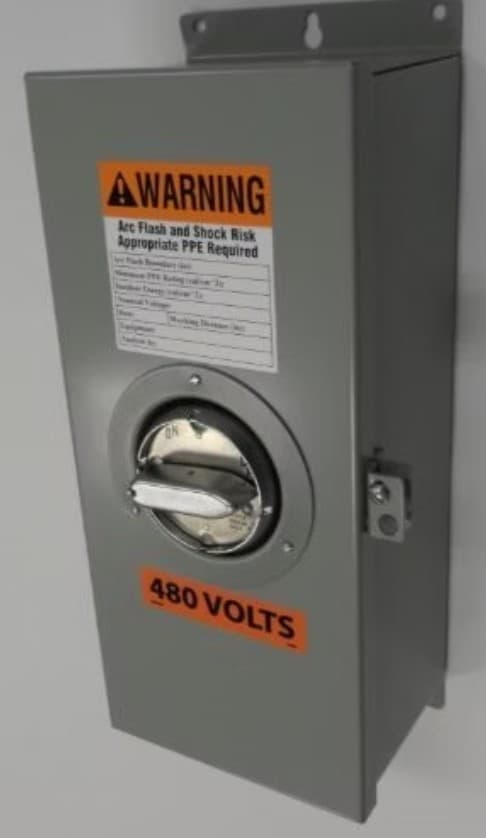
Transformer Sizing Checklist for New Industrial Loads
How to move beyond simple kVA rules: inrush, harmonics, spare capacity, voltage drop, and future expansion when sizing transformers for process loads.
Read more →
Selective Coordination Basics for Facility Teams
What selective coordination means, why it conflicts with arc flash goals sometimes, and how engineers balance outage isolation with worker protection.
Read more →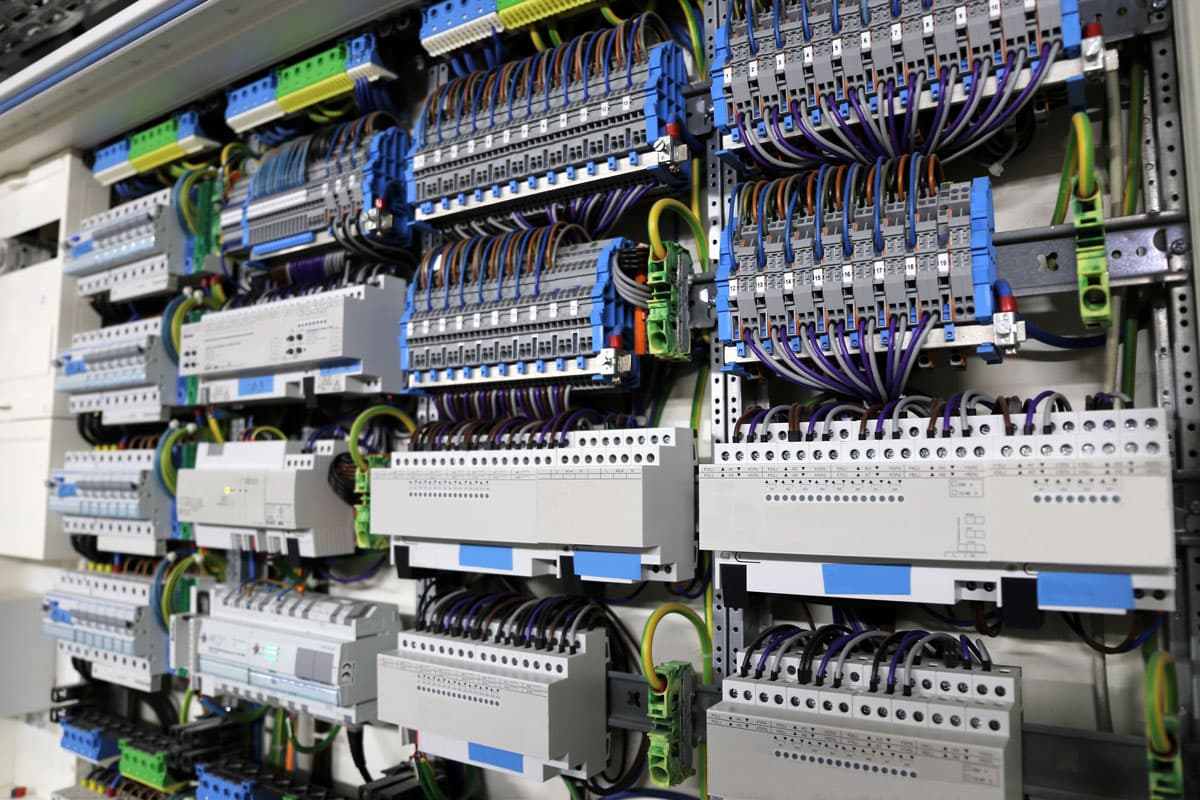
How to Read Time-Current Curves Without Getting Lost
A practical guide to time-current curves: instantaneous, long-time, short-time, and ground trips—and what overlaps mean for coordination and arc flash.
Read more →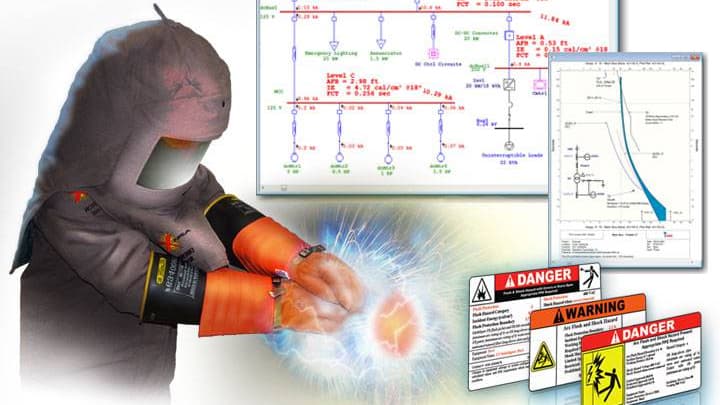
Circuit Breaker Settings and Arc Flash: What to Sync
Why breaker LSIG settings must match your arc flash study, how maintenance modes work, and documentation that keeps the field aligned with the model.
Read more →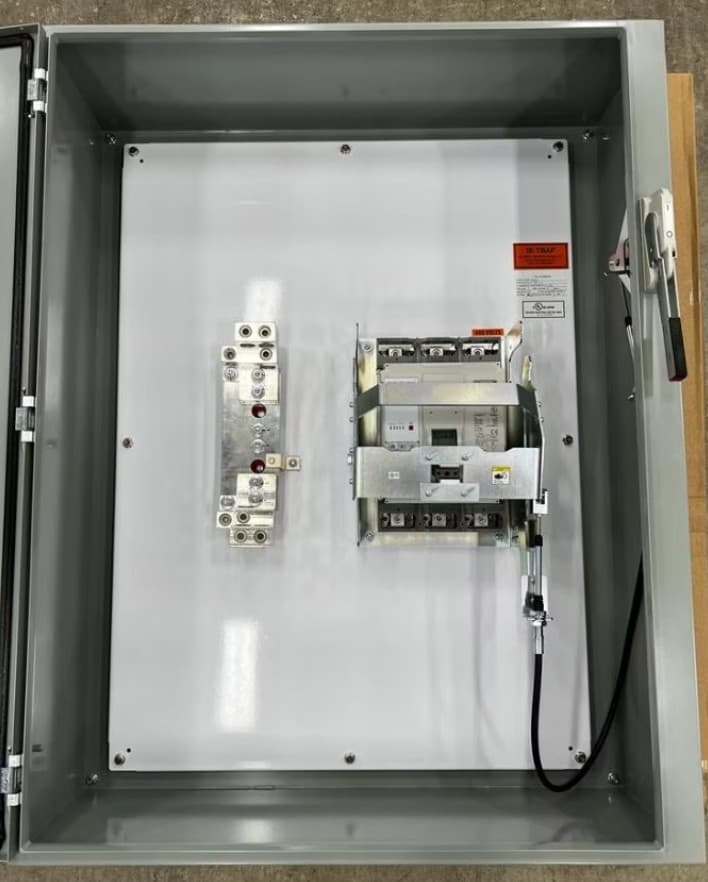
Fuses vs Molded Case Breakers in Industrial Feeders
Tradeoffs between fuses and breakers: current limitation, coordination, maintenance, spares inventory, and how choice affects arc flash calculations.
Read more →
Panel Schedules and One-Line Documentation That Saves Time
Why accurate panel schedules and single-line diagrams matter for safety, troubleshooting, and arc flash studies—and how to keep them current after changes.
Read more →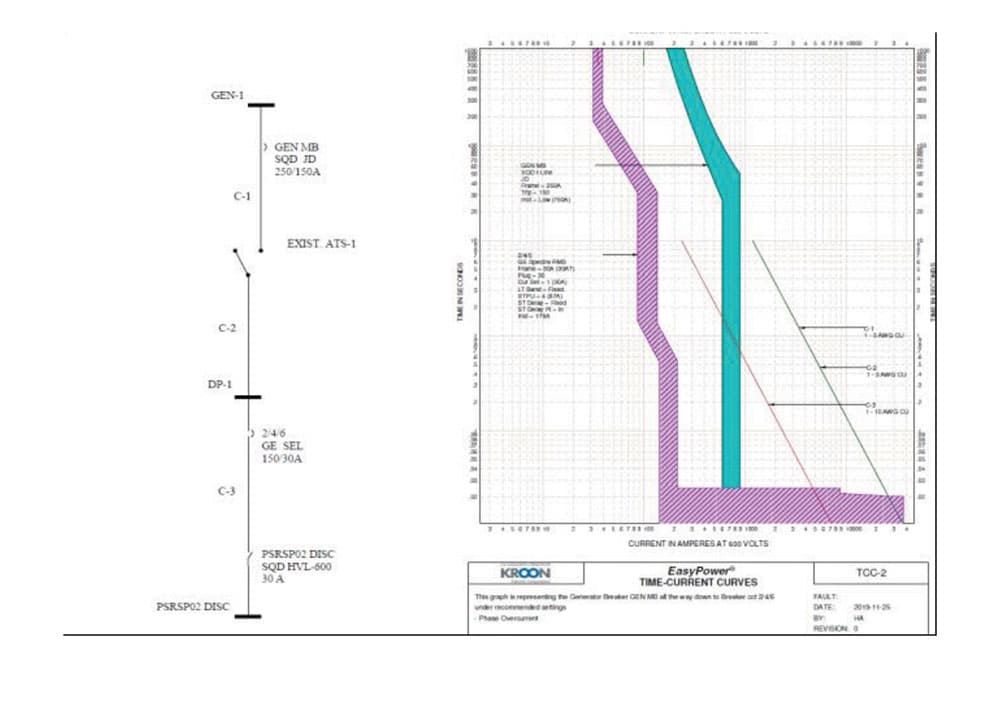
As-Built Drawings vs Records: What to Trust
How to validate electrical documentation before studies or startups: field checks, naming conventions, and redlines that become authoritative over time.
Read more →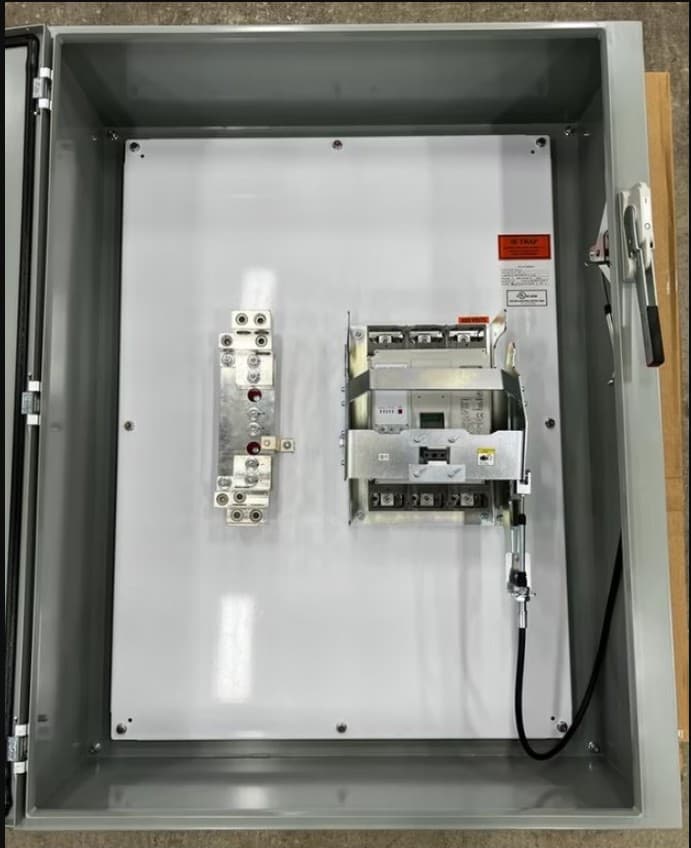
Electrical Maintenance Testing: NETA and Plant Expectations
What NETA-style acceptance and maintenance testing covers, how it differs from operator rounds, and how results feed reliability and safety programs.
Read more →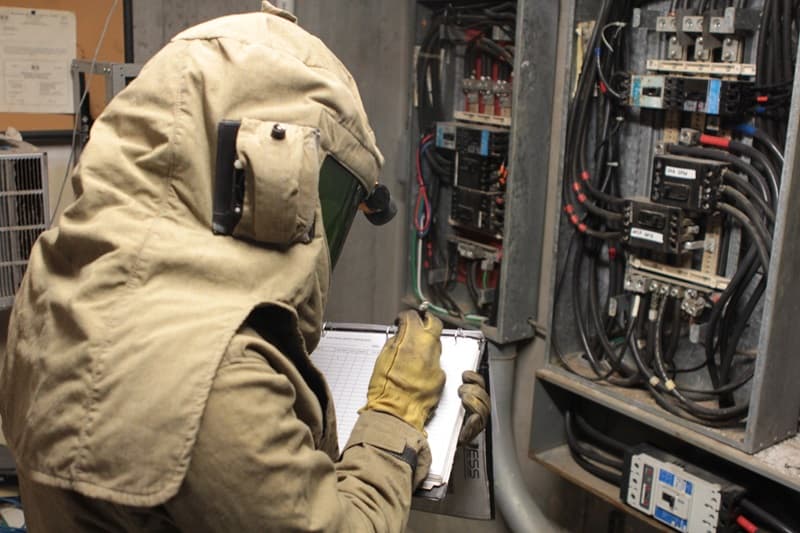
Infrared Thermography for Electrical Distribution
How IR surveys help prioritize electrical maintenance, limitations of spot temperatures, and how to pair thermography with arc flash planning.
Read more →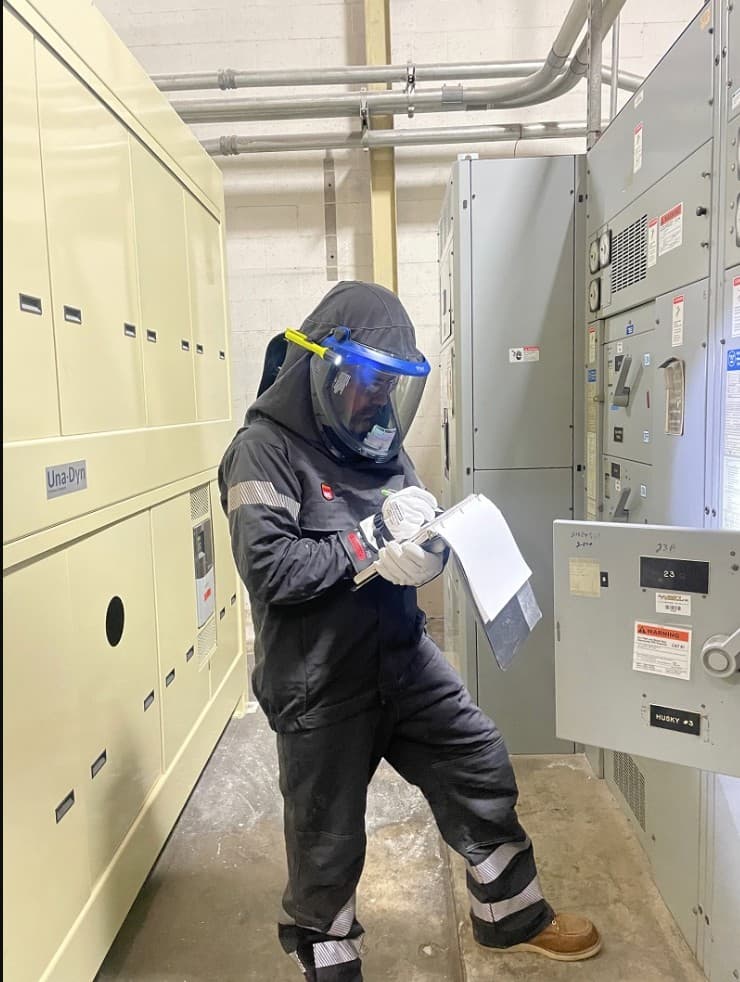
Short-Circuit vs Available Fault Current: Terms to Use Clearly
Straight definitions for short-circuit current, available fault current, and interrupting rating—so teams and vendors do not talk past each other.
Read more →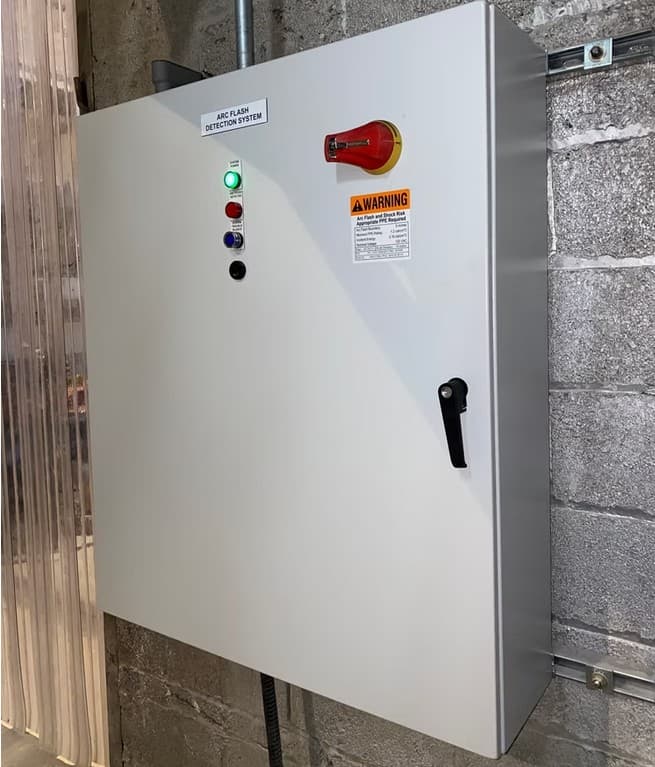
Utility Fault Current Changes When the Grid Updates
Why utility available fault current changes over time, how to get updated data from the utility, and when to refresh short-circuit and arc flash studies.
Read more →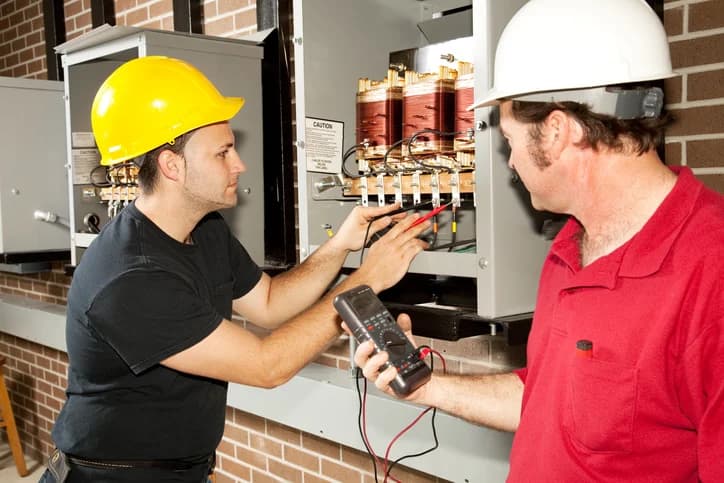
Bus Bracing and Short-Circuit Duty for Switchgear
What bus bracing means, how short-circuit duty is evaluated, and why adequate bracing matters for safety during faults—not only for breaker ratings.
Read more →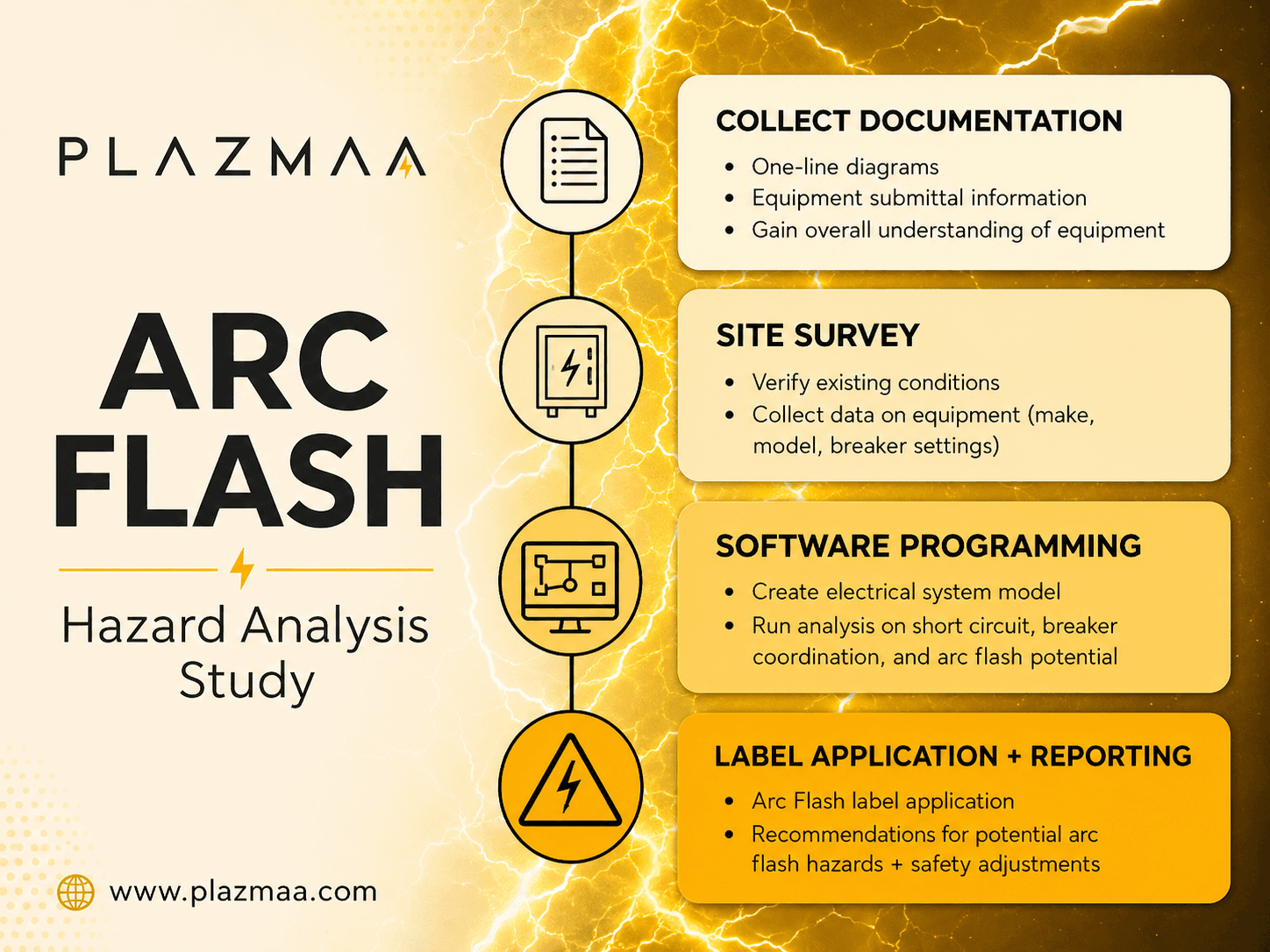
Switchgear vs Switchboard vs Panelboard: Terms That Matter
A concise comparison of switchgear, switchboards, and panelboards—construction, applications, and why names affect codes, access, and maintenance plans.
Read more →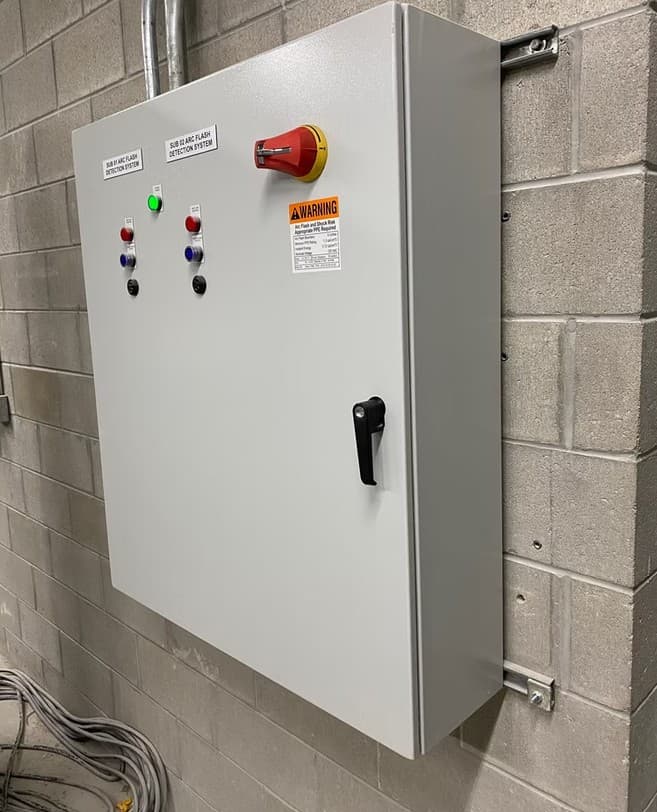
NEC Article 409: Industrial Control Panels in Plain Language
What Article 409 covers for industrial control panels: marking, conductor sizing, overcurrent protection, and how it intersects with UL 508A shop builds.
Read more →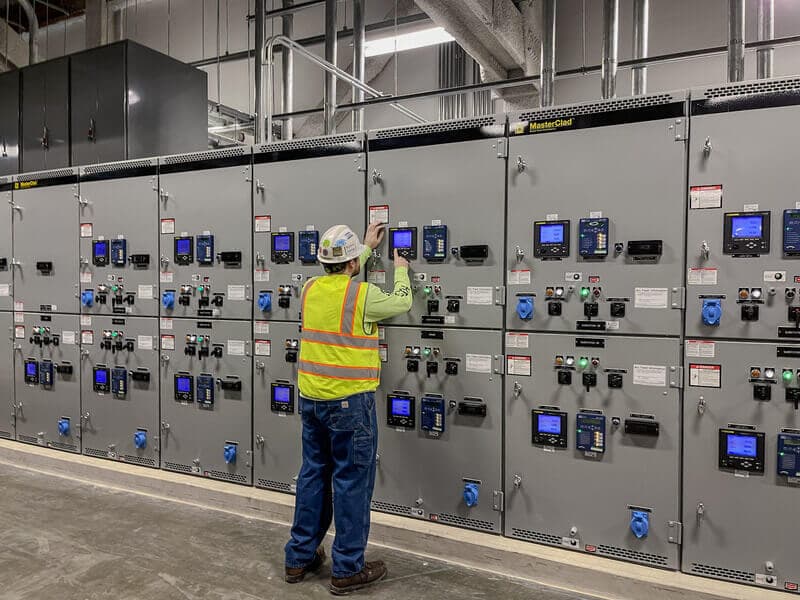
NEC Article 430: Motors and Motor Branch Circuits
A high-level guide to Article 430: branch-circuit short-circuit protection, overload protection, and what facility teams should verify on motor buckets.
Read more →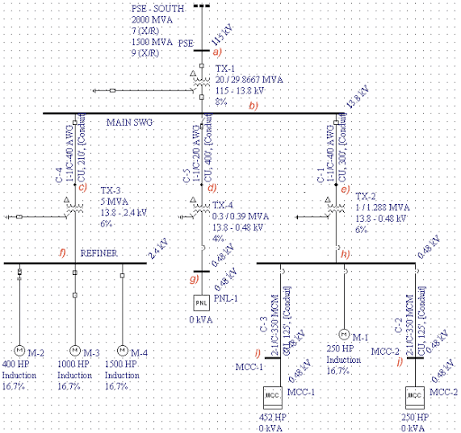
NEC Article 700: Emergency Systems Basics for Facilities
What qualifies as emergency loads, separation requirements at a high level, and why testing/documentation matter for life safety and audits.
Read more →
Arc Flash Label Fields Your Team Should Understand
Walk through typical arc flash label data: incident energy, boundaries, PPE categories, and site-specific rules for when labels are missing or outdated.
Read more →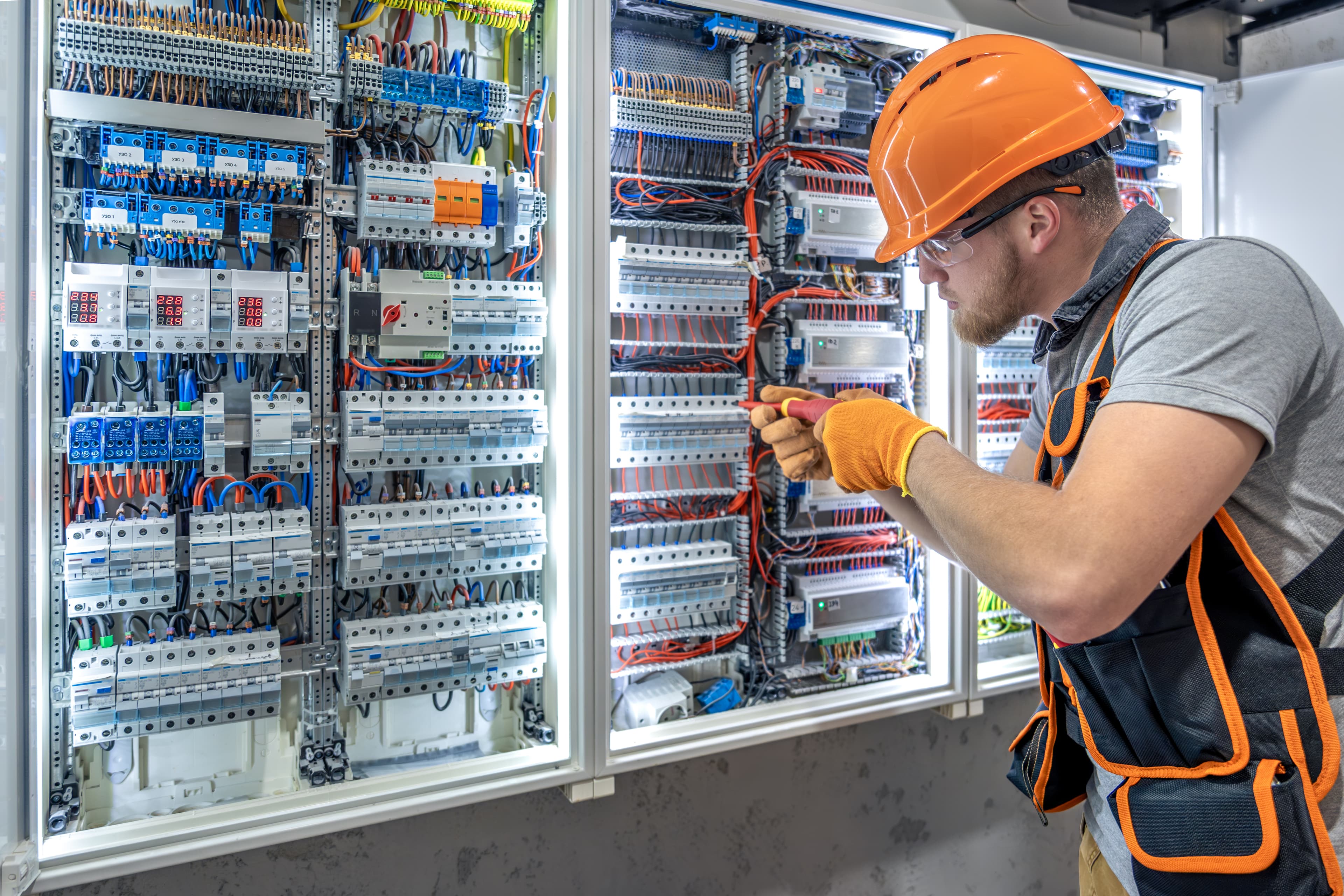
When to Update Arc Flash After Equipment Changes
Practical triggers for refreshing arc flash analysis: breaker replacements, relay settings, transformer swaps, and process loads that alter fault current.
Read more →
IEEE 1584: What Changed and Why It Matters to You
A user-focused look at IEEE 1584 updates: electrode configurations, model scope, and why older studies may need recalculation—not just relabeling.
Read more →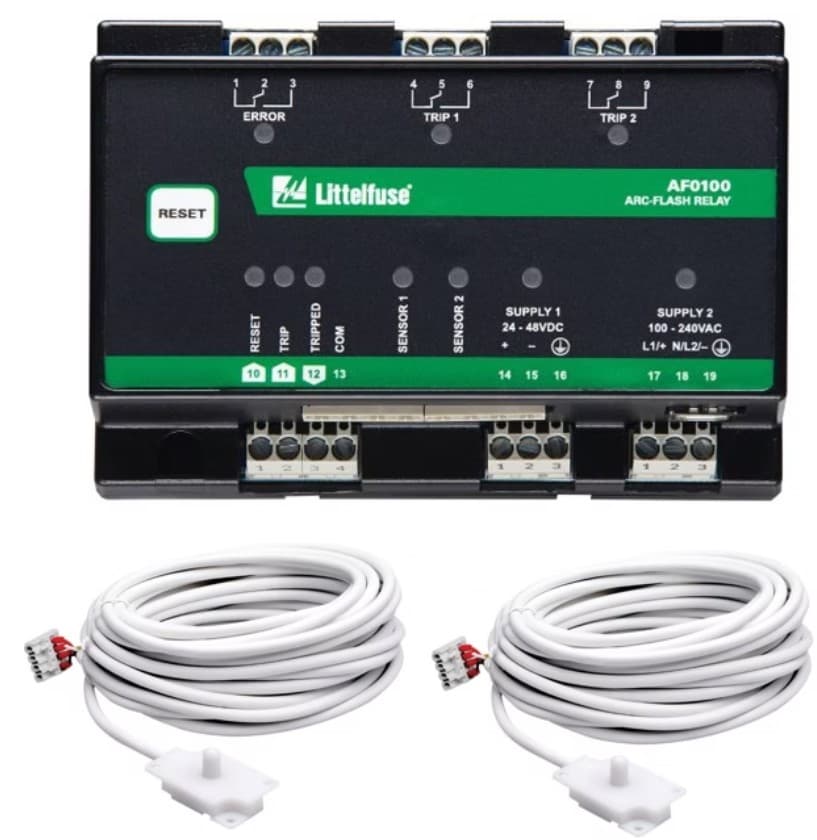
Coordination Study vs Arc Flash Study: Key Differences
How coordination and arc flash studies overlap, where their goals conflict, and why facilities often deliver them as a single engineering package.
Read more →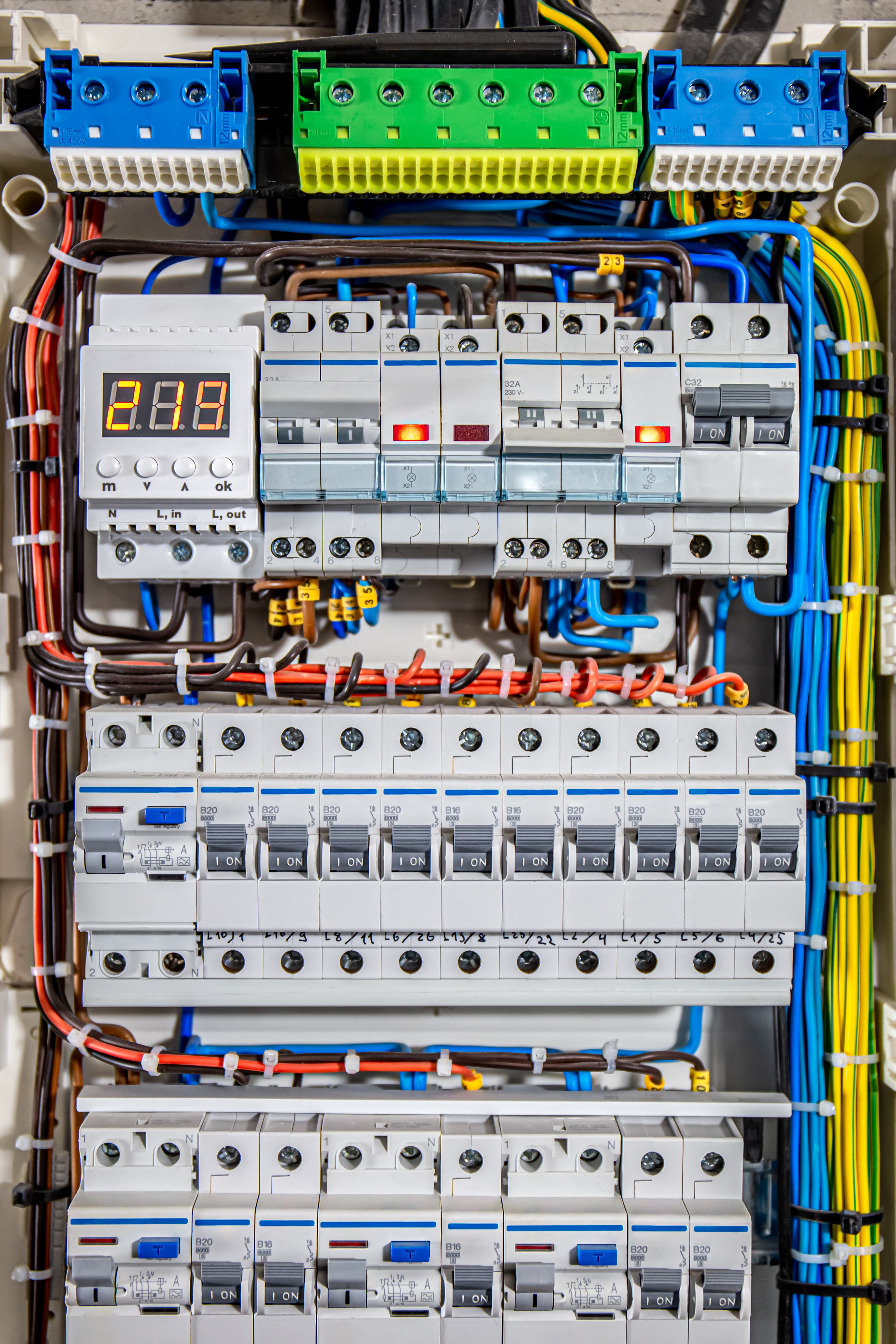
Selective Tripping vs Full Selectivity in Practice
Definitions for selective tripping and full selectivity, and how to set expectations with operations about outage size during faults.
Read more →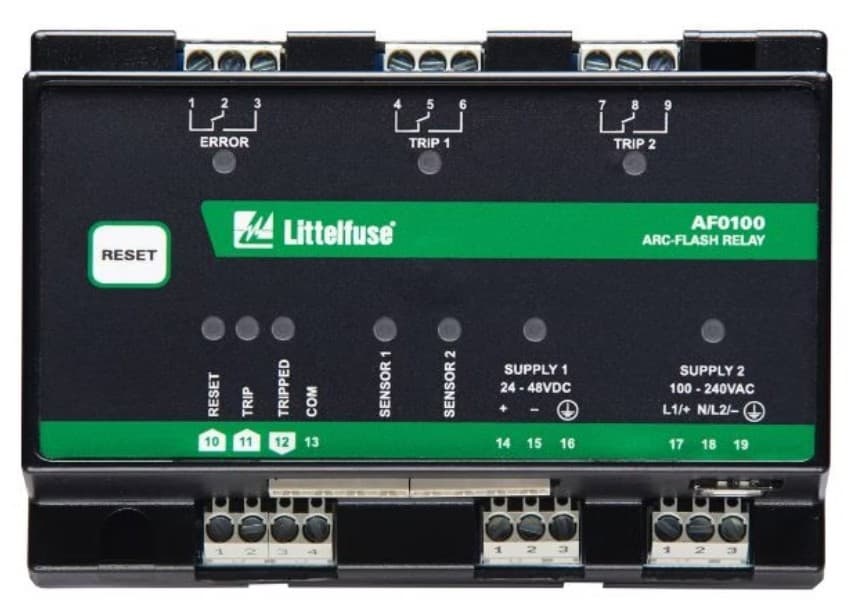
Current-Limiting Fuses and Arc Flash Results
How current-limiting fuses can reduce incident energy, when they help coordination, and what to verify before changing fuse classes in the field.
Read more →
Zone Selective Interlocking (ZSI) Explained Simply
What ZSI does for breaker pairs, how it improves coordination without sacrificing fast clearing near workers, and common commissioning pitfalls.
Read more →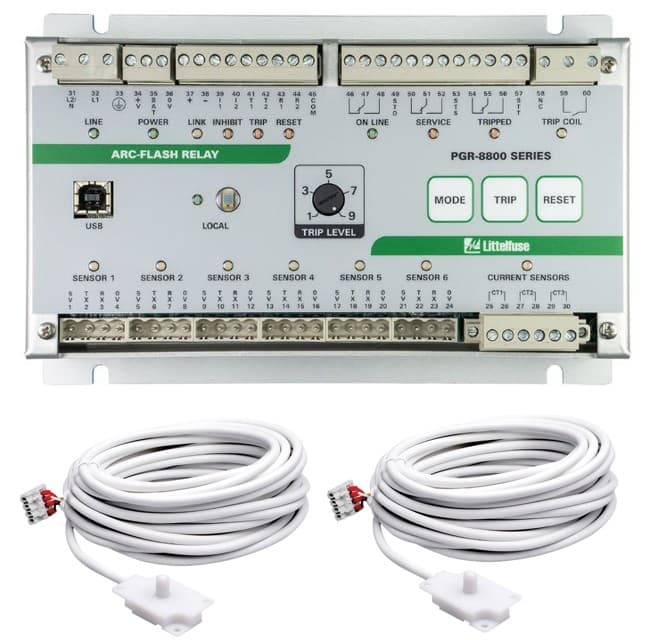
Maintenance Mode Settings for Lower Arc Flash Exposure
How maintenance modes reduce clearing time while qualified workers are present, training requirements, and how to avoid leaving modes enabled.
Read more →
Remote Racking and Remote Switching Safety Benefits
How remote operations move workers away from arc flash zones, design considerations, and integration with your electrical safety program.
Read more →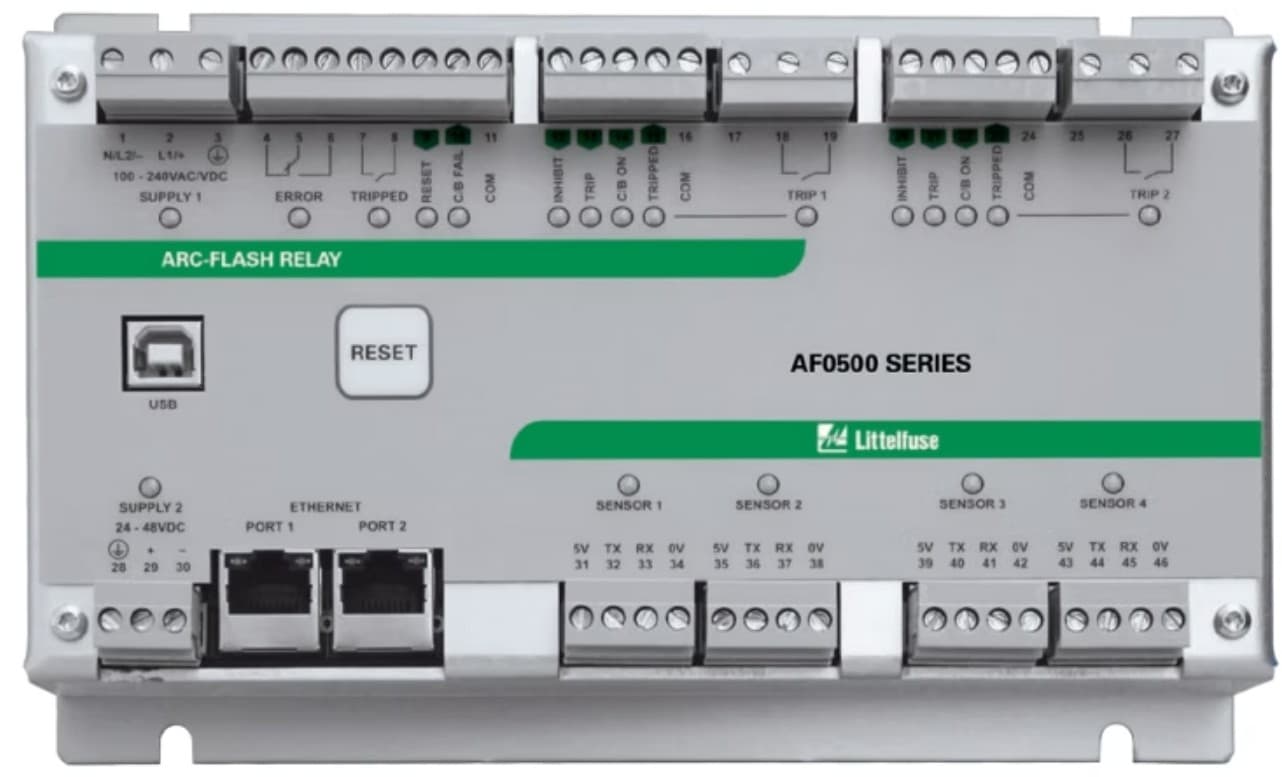
Rubber Insulating Gloves: Classes and Field Inspection
How to align glove class with voltage, daily inspection habits, and storage practices that keep rubber insulating gloves reliable.
Read more →
Arc-Rated Clothing vs Flame Resistant: Know the Difference
Arc-rated PPE is tested for arc exposure; generic FR may not be. Learn how to read labels and build a layered system that matches your hazard analysis.
Read more →
Face Shields, Balaclavas, and Arc Flash Head Protection
Why face hazard often drives PPE choice, how to select face shields and hoods as systems, and common gaps in daily wear programs.
Read more →
Electrical Safety Training: What Works for Adult Learners
Effective training includes scenario discussions, hands-on PPE practice, and documentation. How to avoid checkbox training that fails under stress.
Read more →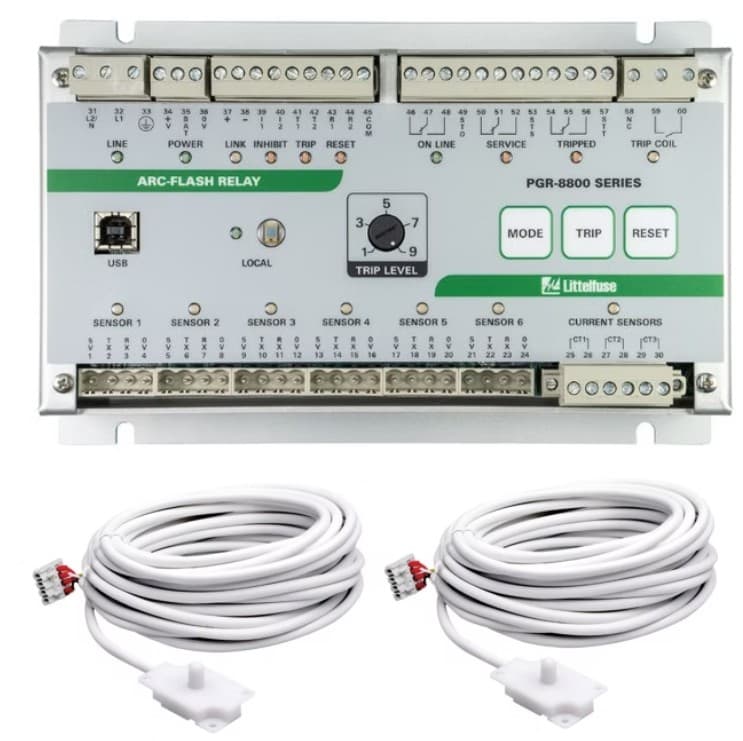
Contractor Electrical Safety Expectations That Stick
How to onboard electrical contractors with clear LOTO roles, hazard communication, and documentation—without slowing every job to paperwork theater.
Read more →
Electrical Commissioning Checklist for New Equipment
Key commissioning steps: phasing checks, torque programs, protection settings, functional tests, and handing off accurate documentation to operations.
Read more →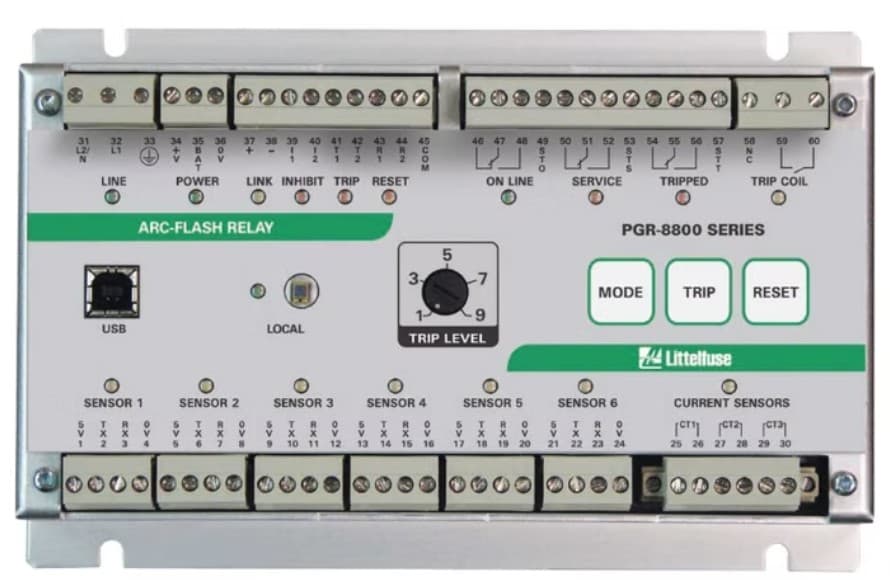
PLC Panel Wiring Organization for Serviceability
Wire routing, labeling, and segregation practices that make PLC panels easier to troubleshoot—without violating separation rules or inducing noise.
Read more →
Control Panel Enclosure NEMA Ratings: How to Choose
Match NEMA enclosure types to indoor, outdoor, washdown, and corrosive environments—before you discover water inside the PLC rack.
Read more →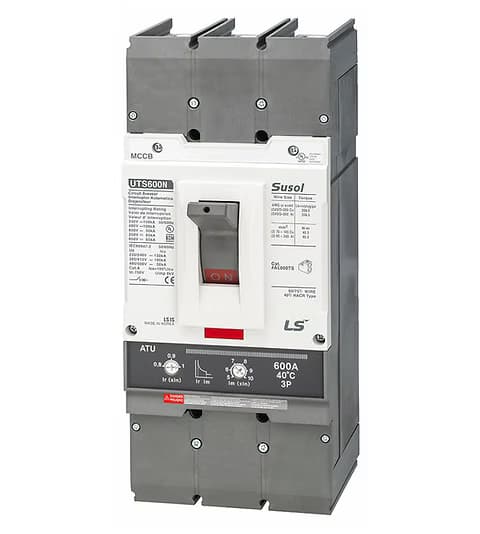
Control Panel Heat Load and Enclosure Cooling Options
Estimate internal heat rejection from drives and power supplies, understand ambient limits, and compare fans, AC units, and heat exchangers.
Read more →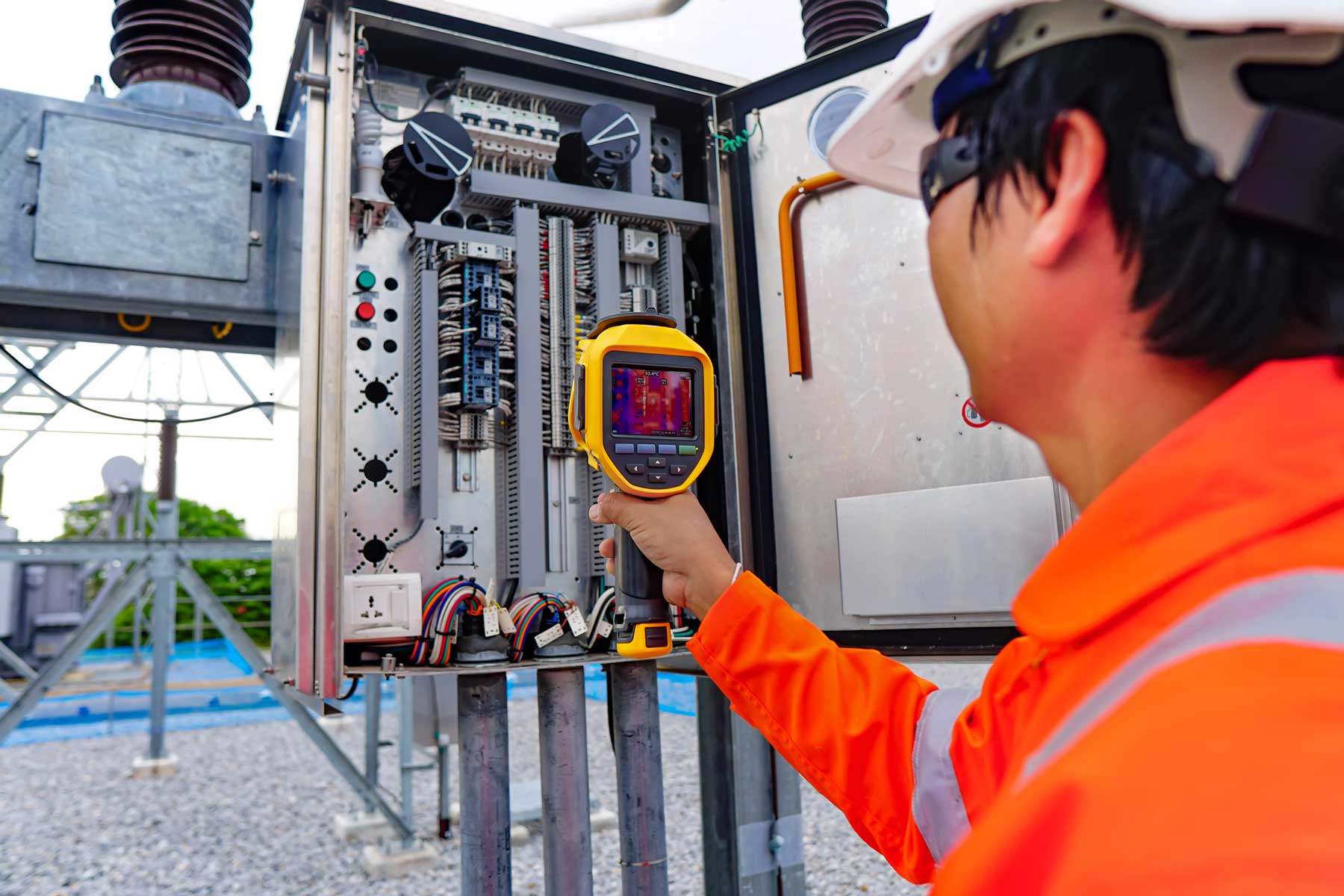
Terminal Blocks and Control Wiring Best Practices
Torque, ferrules, shield grounding, and labeling conventions that reduce nuisance faults and make panels safe to service.
Read more →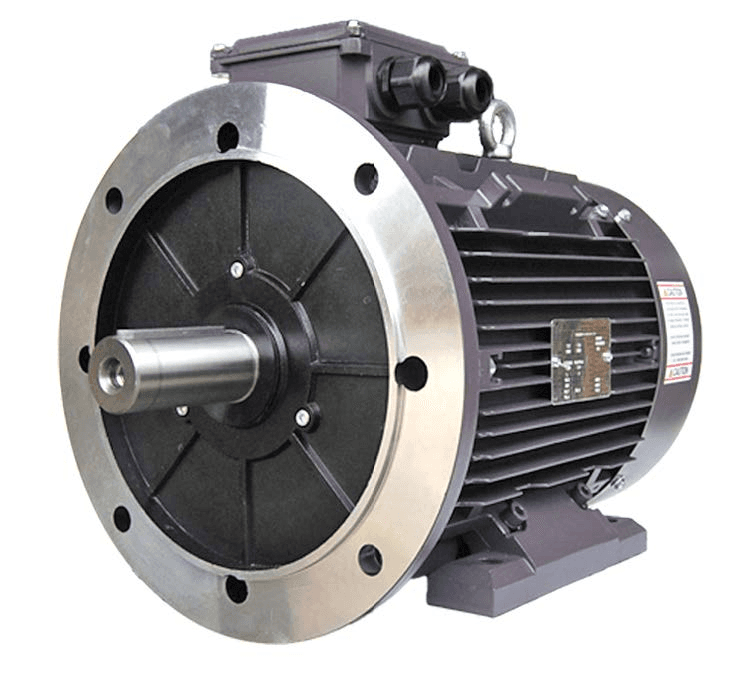
Surge Protective Devices in Industrial Distribution
Where SPDs help, coordination with overcurrent protection, and why grounding quality determines whether SPDs work during lightning season.
Read more →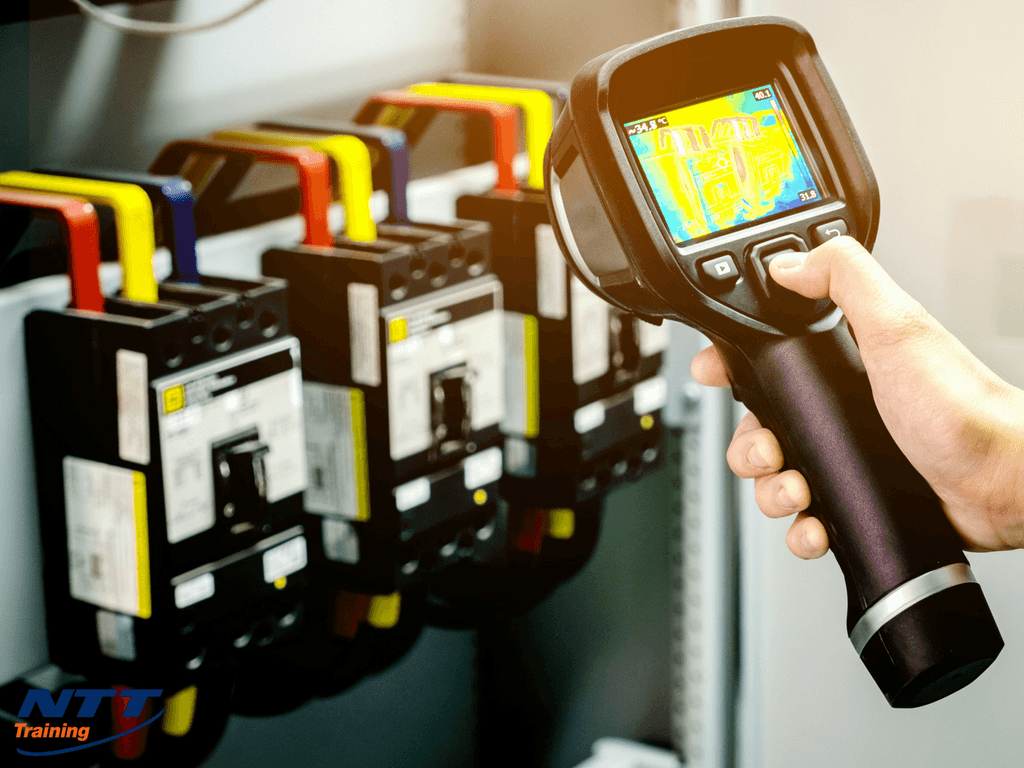
Bonding and Grounding for Industrial Control Panels
Why separate equipment grounding conductors matter, how noise couples into controls, and inspection tips for missing bonds.
Read more →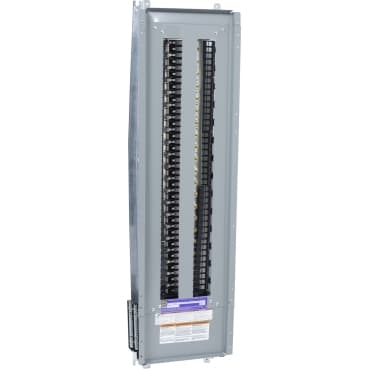
EMI Shielding and Separation in Industrial Controls
Practical EMI control: route separation, shielded cables, and grounding discipline—especially around VFDs and high-current conductors.
Read more →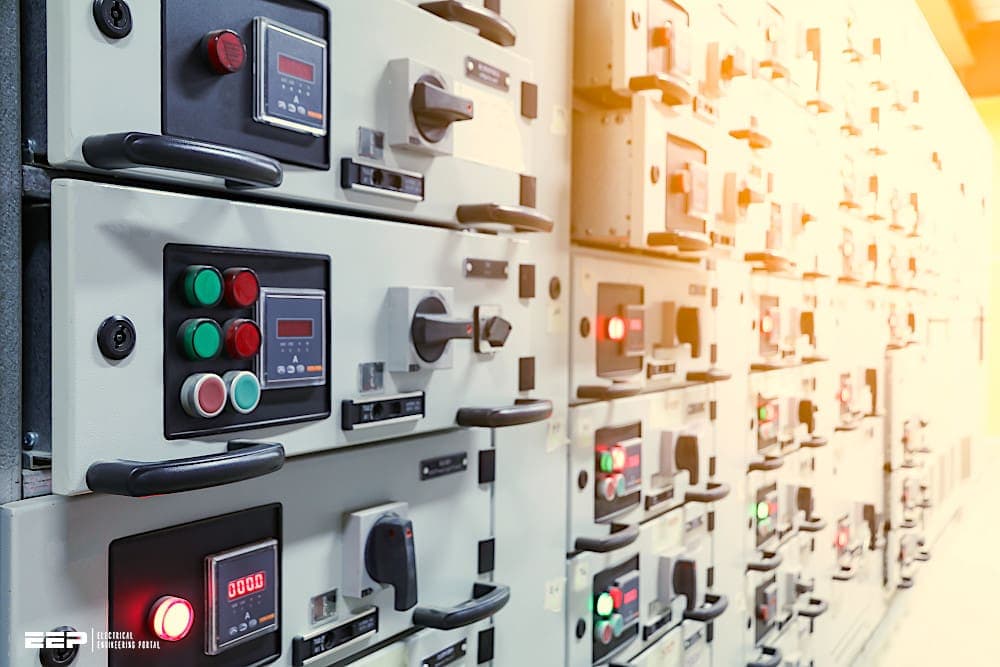
EtherNet/IP Industrial Networking Primer for Teams
What EtherNet/IP offers for PLCs and field devices, basic topology choices, and why IT/OT segmentation matters for reliability and security.
Read more →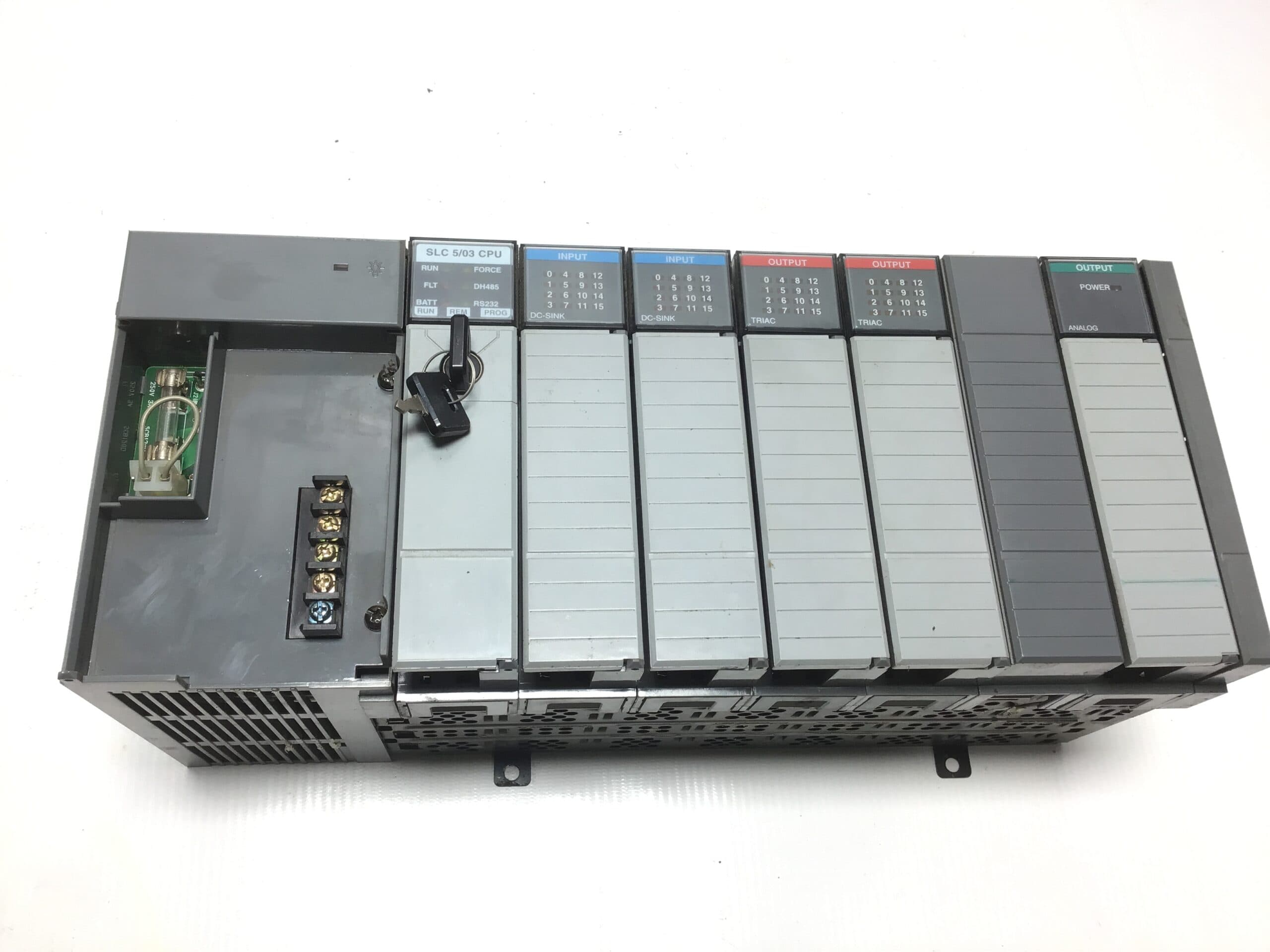
When Do You Need a Short-Circuit Study?
What a short-circuit study calculates, why fault current matters for breakers and equipment, and when your facility should have one done.
Read more →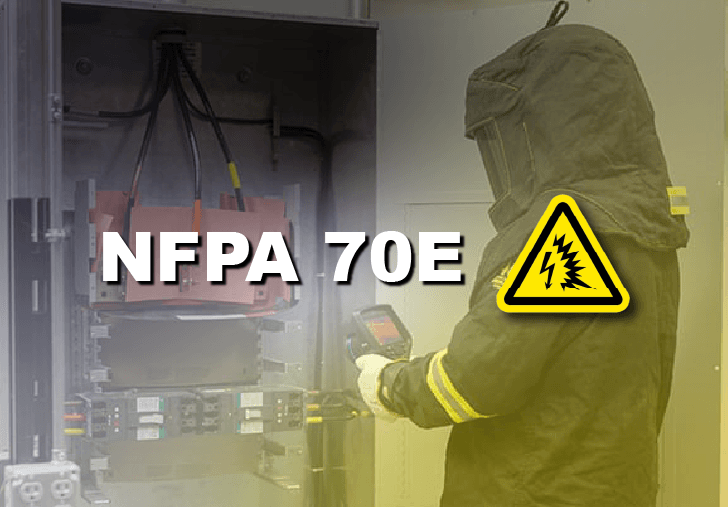
Modbus RTU vs TCP: When Each Makes Sense
Compare Modbus RTU serial and Modbus TCP Ethernet: latency, cabling, troubleshooting, and typical use cases in industrial panels and gateways.
Read more →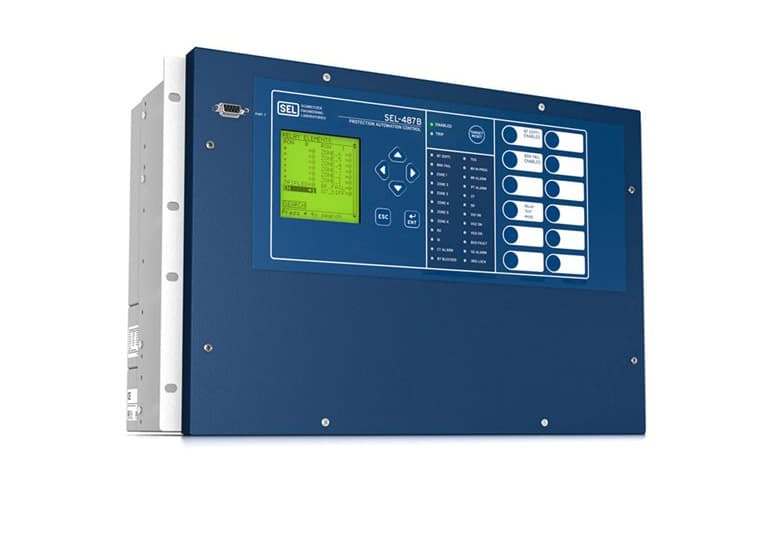
Arc Flash Risk Assessment: What It Is and Why It Matters
How NFPA 70E defines arc flash risk assessment, what an arc flash study delivers, and why it matters for worker safety and compliance.
Read more →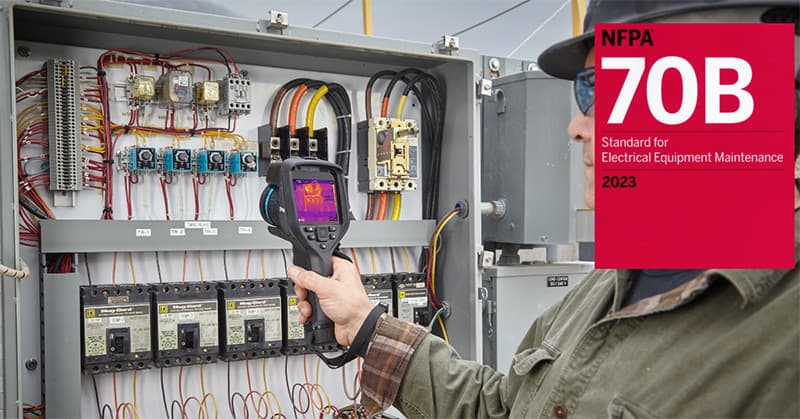
PROFINET vs EtherNet/IP for New Control Projects
A practical comparison of ecosystem fit, tooling, device availability, and integration complexity—not a vendor win, but a decision framework.
Read more →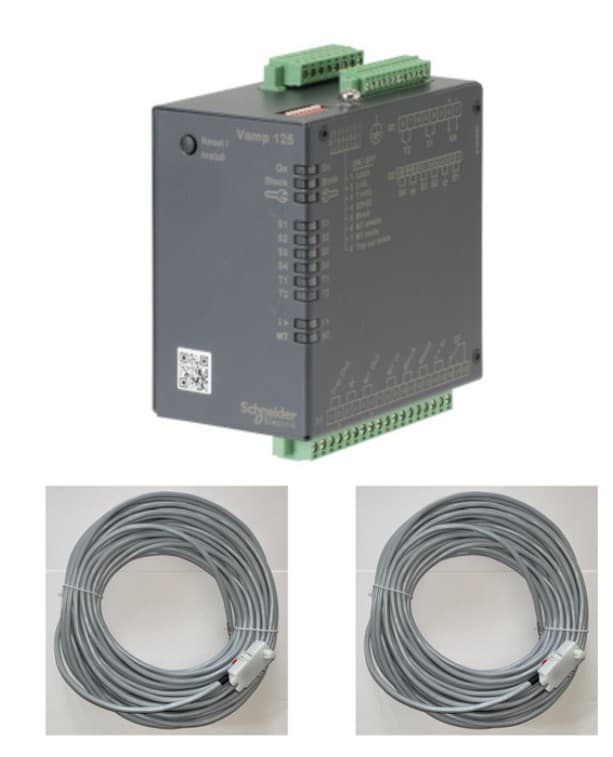
When to Choose a Motor Control Center (MCC) vs. Individual Panels
MCCs vs. separate control panels: pros, trade-offs, and how to decide for your facility and motor count.
Read more →
HMI Selection for Industrial Applications
Screen size, environmental ratings, runtime software, remote access, and alarm design—criteria beyond the lowest price per inch.
Read more →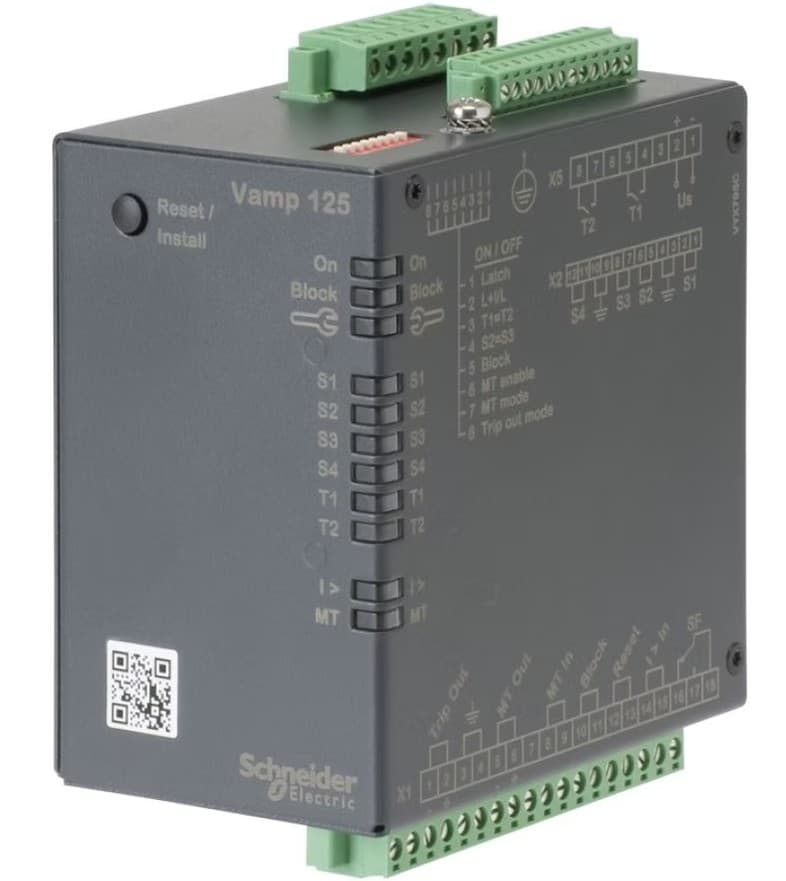
SCADA Security Basics for OT Networks
Segmentation, patching discipline, vendor remote access controls, and logging—practical OT cybersecurity without turning operations into IT.
Read more →
Process Historians and Maintenance Decision-Making
How historian data supports trend analysis, root cause, and predictive maintenance—when configured with tag governance and retention policies.
Read more →
Alarm Management Rationalization: Starter Guide
Why alarm floods hide real problems, how to prioritize alarms by consequence, and quick wins for teams drowning in notifications.
Read more →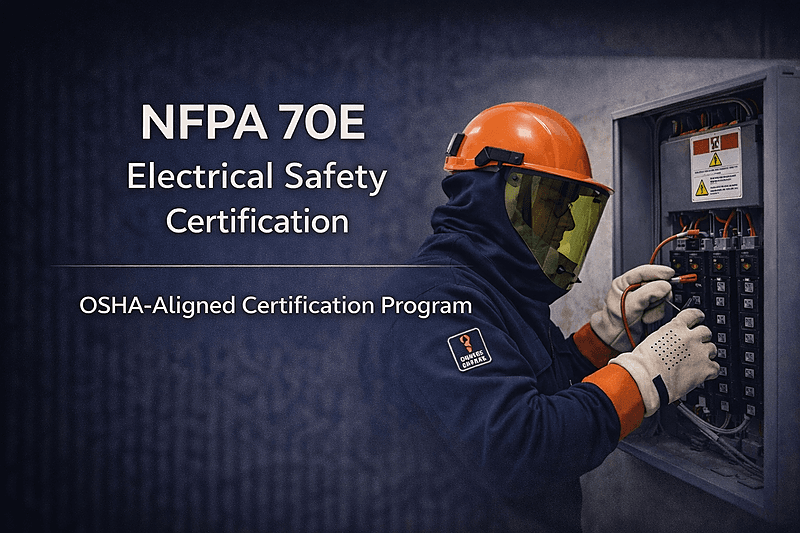
PLC Programming Documentation Standards That Scale
Version control, naming conventions, rung comments, and test plans—so the next engineer can maintain logic without reverse engineering.
Read more →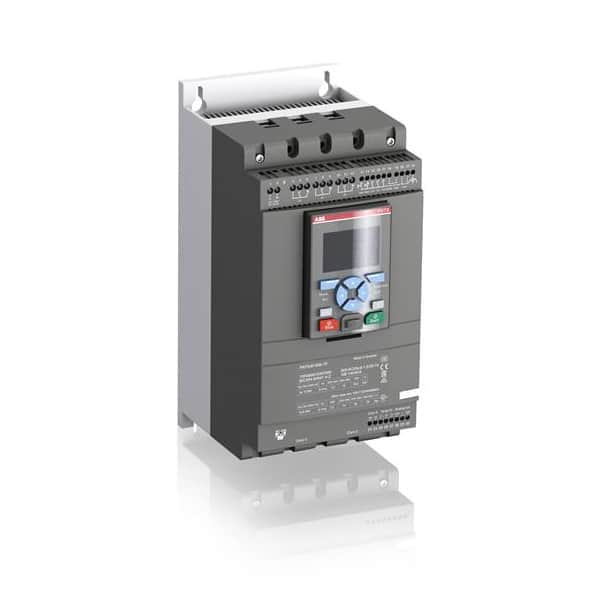
I/O Spares and Panel Expansion Planning
How much spare I/O to budget, how physical space constraints drive architecture, and documentation that prevents orphaned points.
Read more →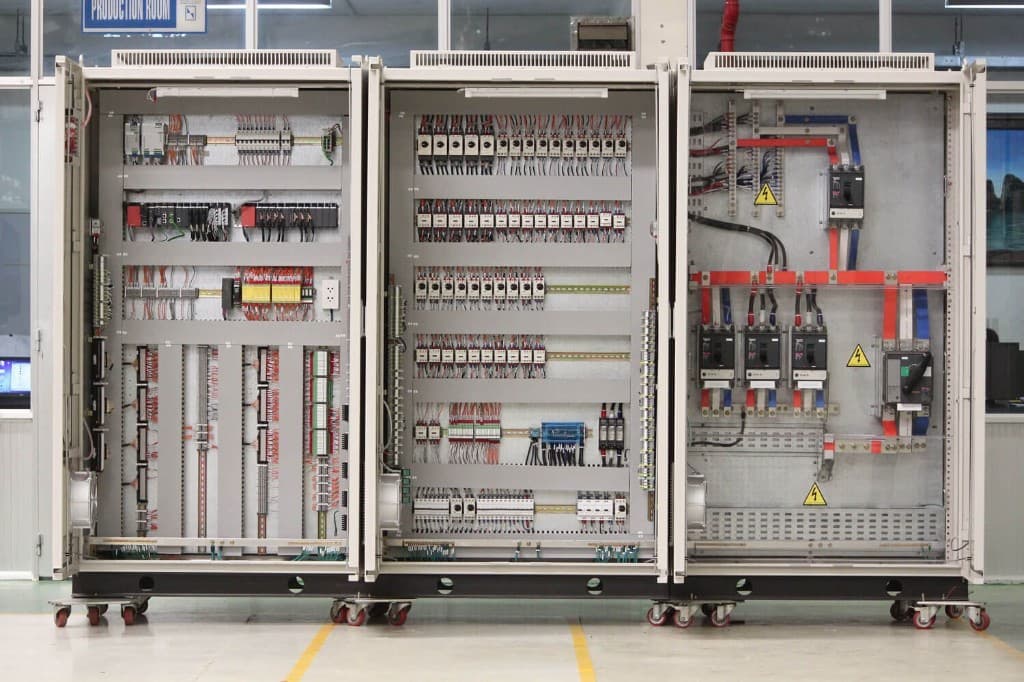
Safety PLC and SIL Basics for Industrial Integrators
High-level SIL concepts, proof tests, and why safety logic is not just regular PLC code with extra comments.
Read more →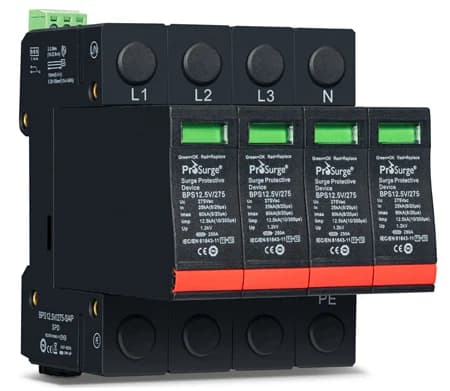
Machine Safety Circuits and Panel Design Notes
Separate safety from standard I/O, wiring color conventions, reset strategies, and avoiding defeatable shortcuts in the field.
Read more →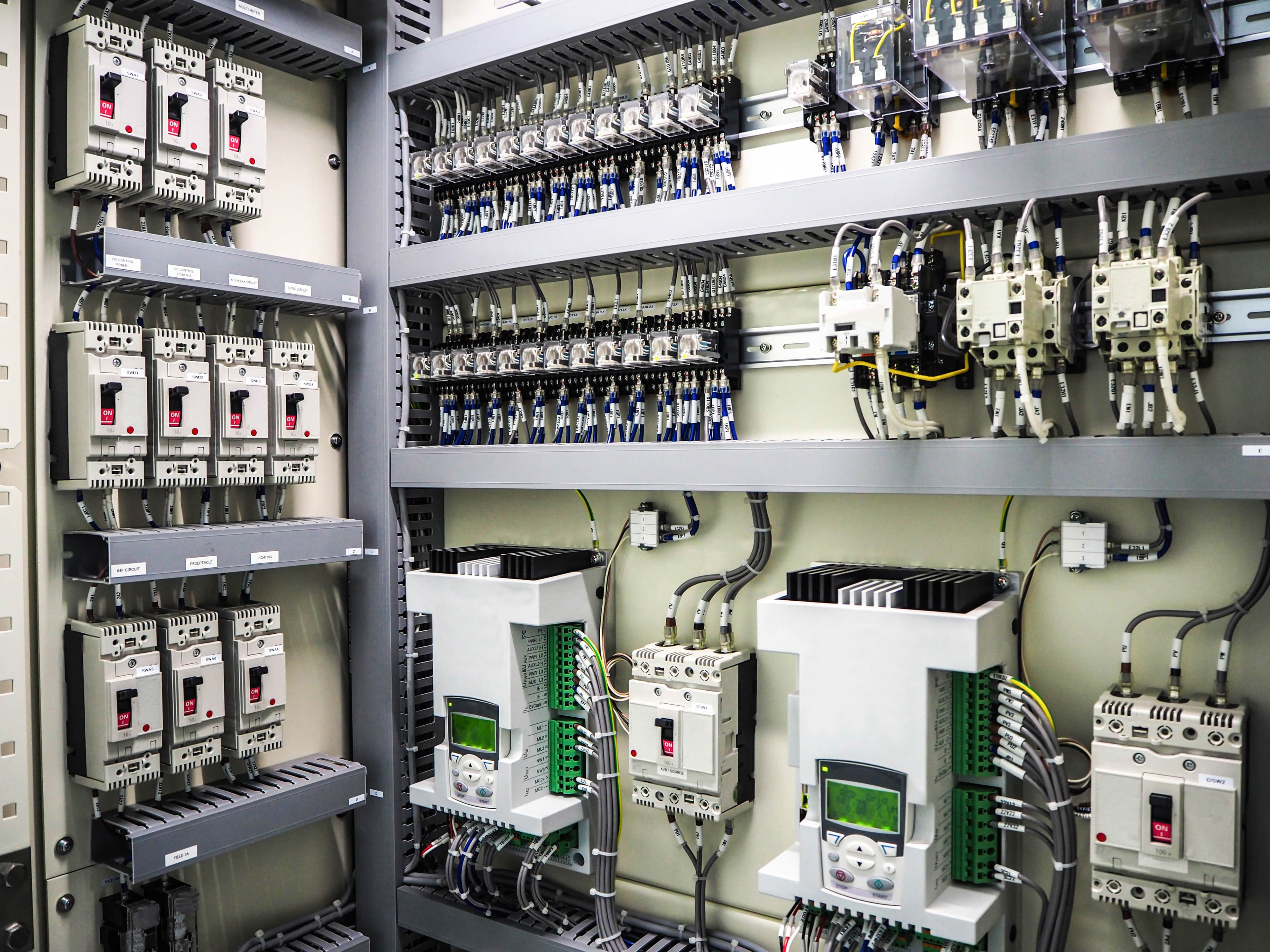
Industrial Monitoring 101: IoT, SCADA, and PLC Explained
A plain-language overview of industrial monitoring: what PLCs, SCADA, and IoT do and how they work together in your facility.
Read more →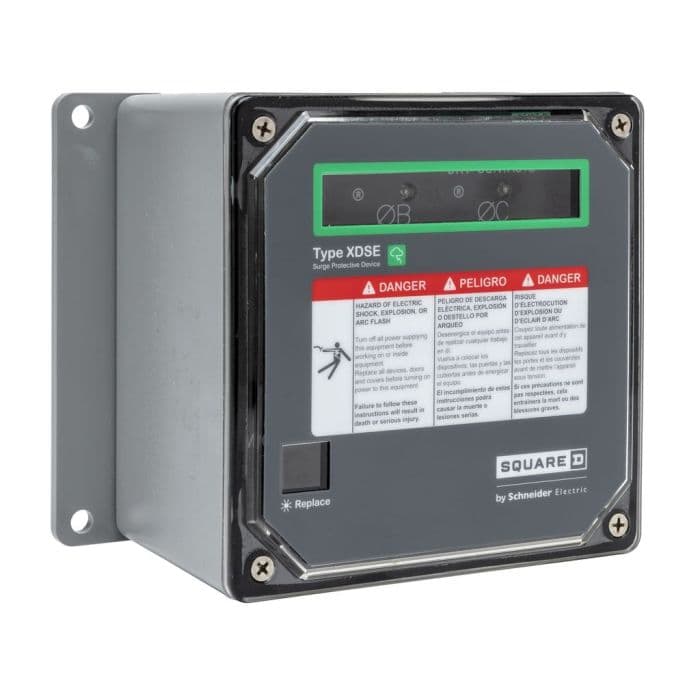
Emergency Stop Circuits: Basics for Maintenance Teams
How e-stops differ from normal stop circuits, categories at a high level, and testing practices that avoid dangerous workarounds.
Read more →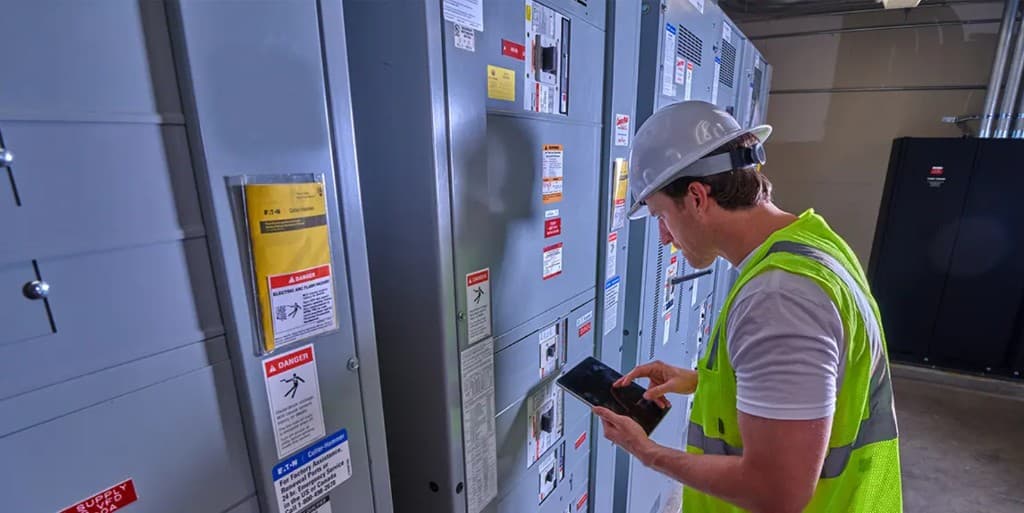
Submetering and Energy Monitoring for Facility Leaders
Why submeters beat utility bills for accountability, how to choose metering points, and tying data to maintenance and capital decisions.
Read more →
Power Factor Correction Basics Without the Myths
What power factor means, why utilities care, and how capacitor banks interact with harmonics and protection—plan PFC with engineering support.
Read more →
Harmonic Filters and K-Factor Transformers Explained
When harmonic mitigation needs passive filters, how K-factor transformers help, and why transformer sizing must consider non-sinusoidal loads.
Read more →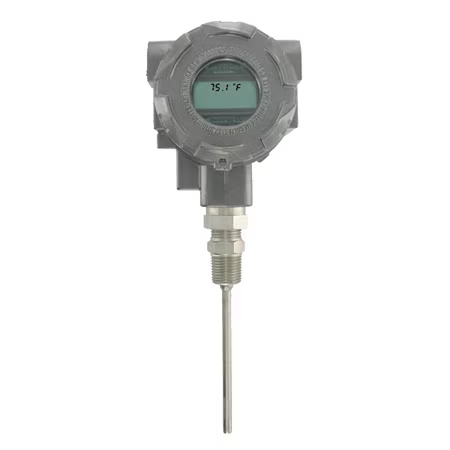
Backup Generator Sizing for Industrial Loads
Starting kVA vs running kVA, harmonic loads on generators, and transfer equipment considerations for reliable emergency power.
Read more →
Automatic Transfer Switch Maintenance and Testing
Why ATS failures are common during storms, what to inspect, and how testing fits into a broader emergency power program.
Read more →
Why UL 508A Matters for Your Industrial Control Panel
What UL 508A listing means for industrial control panels and why it matters for safety, inspection, and insurance.
Read more →
UPS Systems for Controls and Critical Loads
When UPS makes sense vs generator, battery chemistries at a glance, and maintenance habits that prevent surprise failures.
Read more →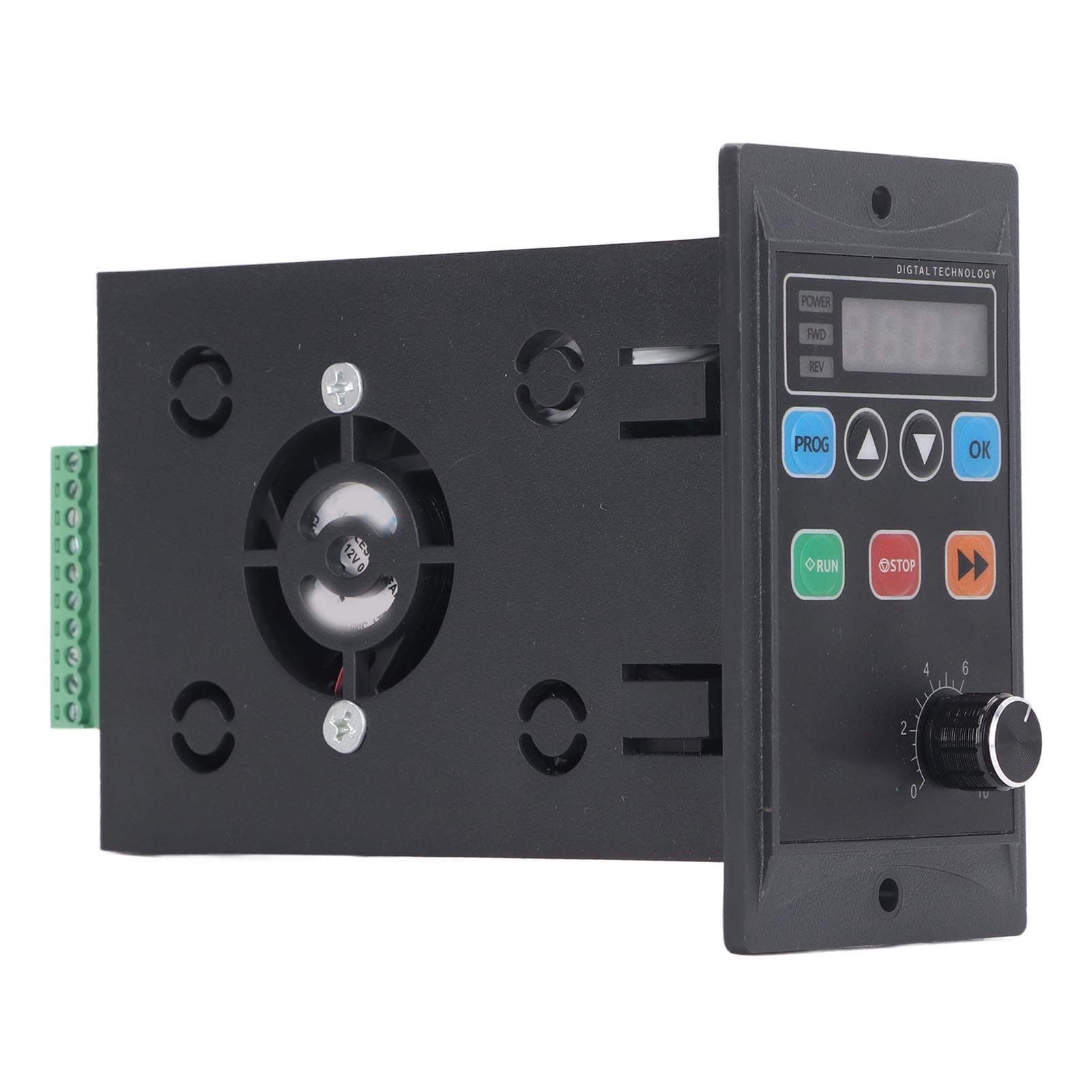
Battery Maintenance for UPS and DC Control Systems
Voltage checks, impedance testing, connection torque, and thermal monitoring—keeping DC systems dependable for trips and controls.
Read more →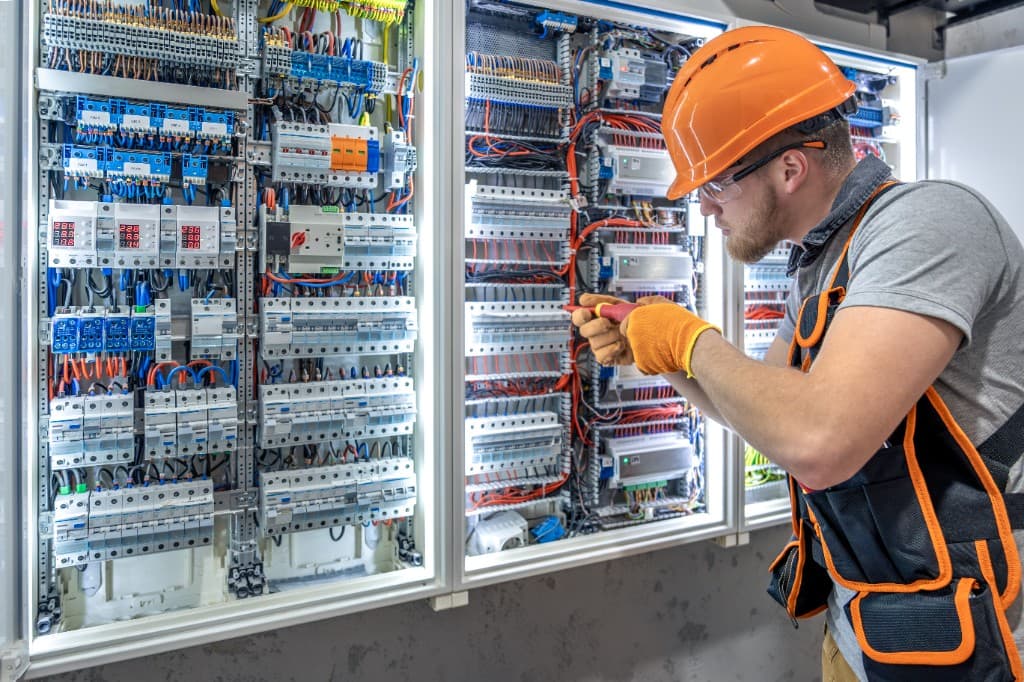
Onsite Solar and Factory Interconnection Considerations
Protection, anti-islanding, harmonics, and arc flash updates when adding solar behind the meter at industrial sites.
Read more →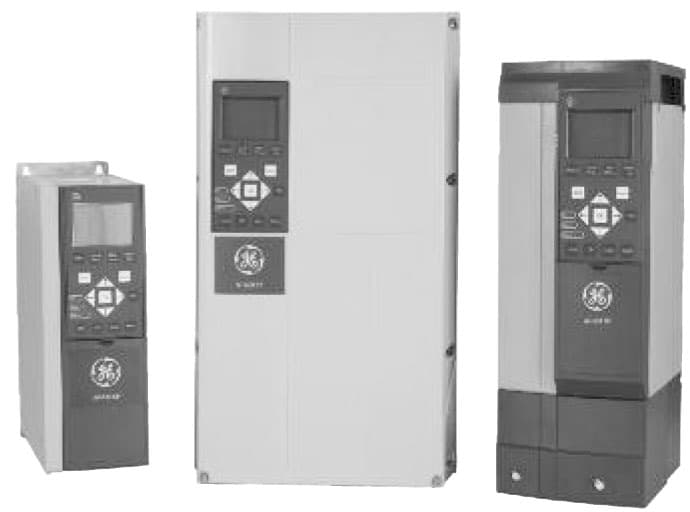
EV Charging Load Impact on Industrial Sites
How fleet and employee EV charging can affect demand, transformer loading, and protection—planning before breakers nuisance trip.
Read more →
Demand Response and Peak Demand for Manufacturers
How peak demand charges work, what demand response programs ask of plants, and electrical considerations before you enroll critical loads.
Read more →
Electrical Permitting and Inspections: Texas Industrial Notes
High-level guidance on AHJ expectations for industrial electrical work—documentation, listings, and coordination—without replacing local code advice.
Read more →Inspection Readiness for Electrical Safety Programs
How to prepare for audits: training records, arc flash reports, energized work documentation, and field conditions that signal credibility.
Read more →Insurance Loss Control and Arc Flash Documentation
Why insurers ask about electrical safety programs, what documentation reduces premium friction, and how studies support defensible risk narratives.
Read more →Electrical Incident Investigation: First Steps
Preserve evidence, secure the scene, interview without blame, and involve qualified people before re-energizing equipment after an event.
Read more →Nuisance Tripping: A Root Cause Checklist
From harmonics and loose connections to relay settings and motor insulation—structured troubleshooting that reduces guess-and-reset cycles.
Read more →Motor Starting: Across-the-Line, Soft Starter, and VFD Tradeoffs
Compare starting methods for large motors: inrush, mechanical stress, harmonics, and protection implications for plant distribution.
Read more →Motor Bearings and Vibration Basics for Reliability
Early bearing failure signs, lubrication discipline, and how electrical issues like shaft currents relate to mechanical symptoms.
Read more →Pump Control Panel Design Priorities
Alternation, lead-lag, permissives, and sensors—control strategies that prevent hammering pipes and protect operators during upsets.
Read more →Conveyor Control and Safety Interlocks: Starter Guide
E-stops, pull cords, guard switches, and reset behavior—why control logic should match the risk assessment, not convenience.
Read more →HVAC Control Panels and BMS Integration Notes
Protocols, points lists, and commissioning hooks that make HVAC controls play nicely with facility SCADA and energy strategies.
Read more →Washdown Control Panels (NEMA 4X) for Food Plants
Stainless enclosures, cable glands, and drainage angles that survive daily sanitation without water inside the PLC rack.
Read more →Hazardous Location Basics: Class, Division, and Zones
Introduce Class I/II/III concepts, Division vs Zone, and why equipment markings must match the area classification drawing.
Read more →NEC 500-Style vs IEC Zone Markings: Practical Tips
How teams mixing US and international equipment can avoid mismatched markings, translation errors in datasheets, and inspection surprises.
Read more →Intrinsic Safety Barriers for Instrumentation Loops
Why IS barriers exist, grounding rules, and documentation needed for loop checks in classified areas.
Read more →Explosion-Proof vs Purged Enclosures: Choosing an Approach
Tradeoffs between heavy explosion-proof enclosures and purge systems for motors and controls—maintenance, cost, and standard compliance.
Read more →Electrical Room Ventilation, Clearances, and Working Space
Heat removal, code working clearances, and housekeeping habits that keep rooms safe and maintainable—not used as storage closets.
Read more →Arc Flash Differences: Low Voltage vs Medium Voltage
Why MV hazards differ in modeling and PPE expectations, and why LV experience alone does not transfer without training.
Read more →Medium-Voltage Switchgear Terms Your Team Should Know
Vacuum and SF6 interrupters, metal-clad basics, trip relays, and why racking procedures dominate safety conversations.
Read more →Transformer Oil Testing: DGA and Maintenance Signals
What dissolved gas analysis indicates, how sampling works, and when engineering follow-up is warranted for industrial transformers.
Read more →Dry-Type vs Oil-Filled Transformers: When Each Fits
Indoor vs outdoor, fire risk, maintenance, and fault performance considerations for industrial transformer selection—not only first cost.
Read more →Substation Maintenance Planning for Industrial Sites
Inspection intervals, thermography, relay testing, and vegetation management—keeping the front door of your electrical system dependable.
Read more →Protective Relaying Basics on Industrial Utility Feeds
Overcurrent, differential, and distance schemes at a high level—why settings sheets matter and how relays protect transformers and buses.
Read more →Transformer Differential Protection in Plain Language
What differential schemes compare, why they are sensitive, and how commissioning tests prove CT circuits are correct.
Read more →Directional Overcurrent: When It Applies
Why standard overcurrent is not enough on loops and parallel feeds, and how directional elements improve selectivity.
Read more →Arc-Resistant Switchgear: What the Name Means
How arc-resistant designs vent and channel arc energy, personnel practices, and why PPE still matters.
Read more →Digital Twin Modeling for Power System Studies
How digital twins of electrical systems improve what-if analysis, study refresh speed, and capital planning—when data is governed.
Read more →Energy Code Commissioning and Controls Verification
Why controls commissioning catches savings and comfort issues, and how functional testing relates to electrical reliability.
Read more →A 5-Year Electrical Capital Planning Roadmap
How to prioritize transformer upgrades, arc flash refreshes, panel modernization, and reliability projects with a simple rolling roadmap.
Read more →Cable Sizing and Voltage Drop for Long Feeders
When ampacity is not enough: voltage drop affects motors, harmonics, and protection—how to size long feeders with engineering margin.
Read more →