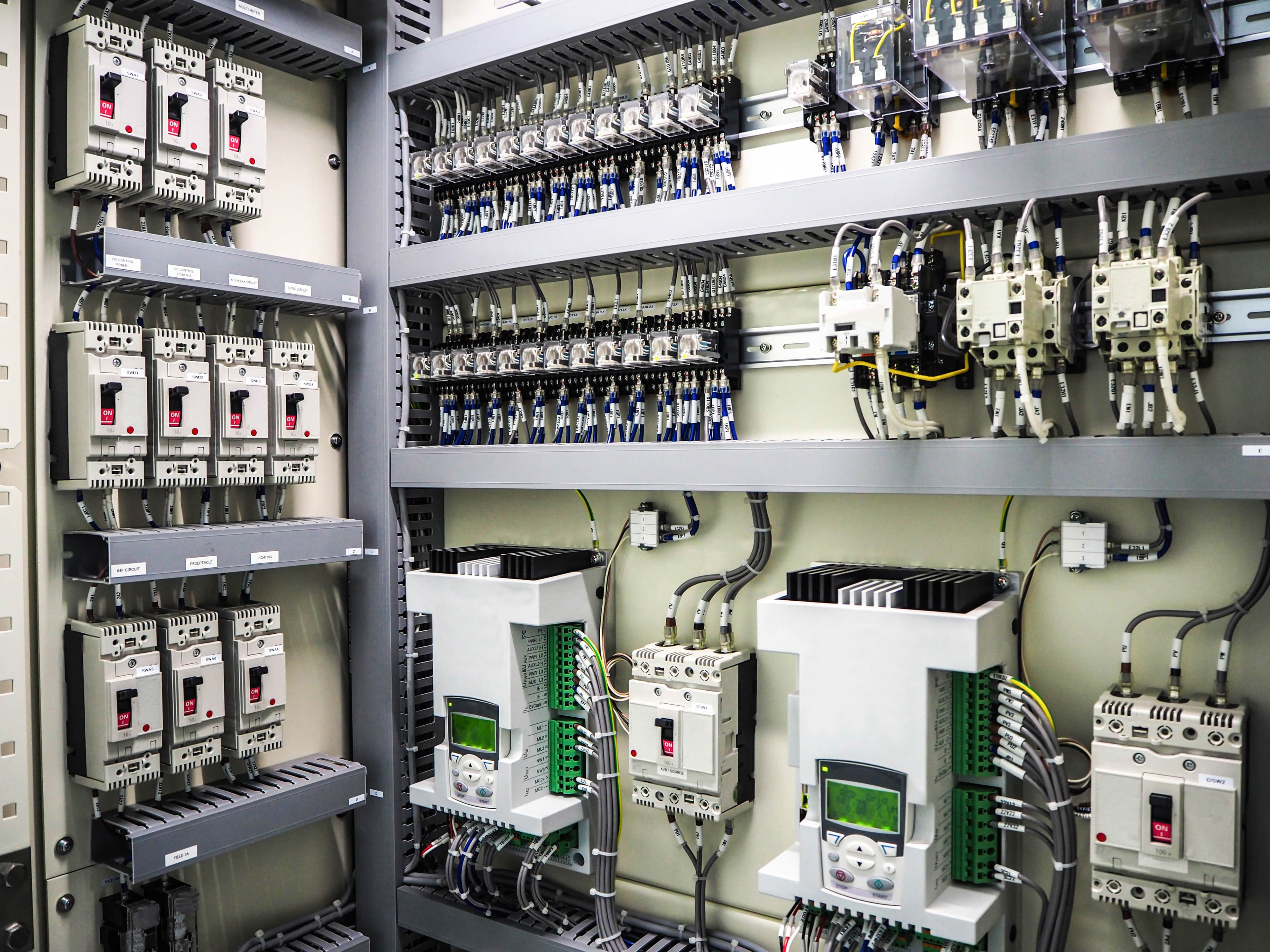
Arc flash study pricing is not one flat rate. Two plants with the same square footage can have very different scopes if one has a single 480 V switchboard and the other has multiple medium-voltage feeds, generations of breaker replacements, and incomplete drawings.
Understanding what drives cost helps you budget accurately—and compare proposals apples to apples.
Scope and system complexity
Facility size and voltage levels
Larger facilities with more distribution levels naturally require more modeling and analysis time. Medium-voltage equipment, multiple services, and parallel feeds add complexity beyond a single-line shop with one main switchgear lineup.
Amount of equipment
The number of buses, panels, switchgear sections, MCCs, and major disconnects in scope directly affects engineering hours. Each analyzed location needs short-circuit, coordination, and arc flash results—and usually a label.
Accessibility of equipment
Gear that is easy to open, label, and photograph speeds field work. Equipment behind obstructions, in congested rooms, or requiring extended outages can extend survey time and scheduling cost.
Starting information
Existing documentation
Available one-line diagrams, protective device settings, utility fault letters, and equipment cut sheets shorten the project. When documentation is missing or decades old, engineers spend more time building and verifying the model from scratch—which is still the right investment, but it affects price.
Worker exposure scenarios
Some studies include task-specific scenarios (racking breakers, voltage testing, etc.) beyond baseline equipment buses. That adds modeling detail but produces labels and PPE guidance tied to real work—not just nameplate-level numbers.
Logistics
Travel and scheduling
Site location, number of visits required, and after-hours access for critical facilities can influence total cost. Batching survey windows with planned outages usually saves money compared to repeated small trips.
What you receive for the investment
A complete study package typically includes:
- Updated single-line diagram
- Short-circuit and coordination analysis
- Incident energy and arc flash boundary results
- Field-ready arc flash labels
- Engineering report with assumptions and recommendations
Many facilities bundle NFPA 70E training so workers know how to use the labels—not just that they exist.
Cost vs. risk
Study fees can feel significant until you compare them to a single arc flash incident: medical costs, production loss, equipment replacement, OSHA scrutiny, and litigation. Insurance carriers and corporate EHS teams increasingly expect documented analysis—not verbal assurances.
How to get an accurate quote
Send your best available one-line, a rough equipment count, and any recent electrical changes (new transformer, utility upgrade, major breaker swap). Plazmaa will scope the work and confirm what is included before field work starts.
For the engineering process itself, see 7 Steps to Complete an Arc Flash Study.
Related reading
- Arc Flash Risk Assessment: What It Is and Why It Matters
- When to Update Arc Flash After Equipment Changes
- Insurance, Loss Control, and Arc Flash Documentation
Contact Plazmaa for a site-specific proposal or visit our arc flash study services page.